

Dutchess County, NY · ~60 min away
Water Damage Restoration in Pawling, NY
Extraction, drying, documentation, and the rebuild after, all from one company.
Dutchess County, NY · ~60 min away
Water Damage Restoration in Pawling, NY
When extraction starts the same day, less drywall gets cut out and the flooring often dries in place. So we run same-day emergency response six days a week, and we keep drying until the meters read dry. Pawling is about 60 minutes out for us.
The valley floor is wetland and the hills on either side are ledge. Water off the hills has nowhere to go but the valley, so basements at the bottom of a slope near the swamp take water in every wet season.
A person answers, not an answering service. Closed Saturdays. Covered claims are billed directly to your carrier.
Same-day emergency response
Response promise
8 counties
NY & NJ service area
Since 2019
Locally owned & operated
IICRC Certified
Certification
Process
What happens after you call.
Every water loss runs the same way: we ask what happened on the phone, extract the same day, verify the drying with meters, and keep a documented file your adjuster can work from. Here's the short version. The service page covers each step.
- 01
Emergency call & triage
Call (845) 262-6530 and you reach the person dispatching the crew, not an answering service. We tell you what to shut off and what to move while we're on the road, and give you an arrival window: same day, usually within hours.
- 02
Inspect & map the moisture
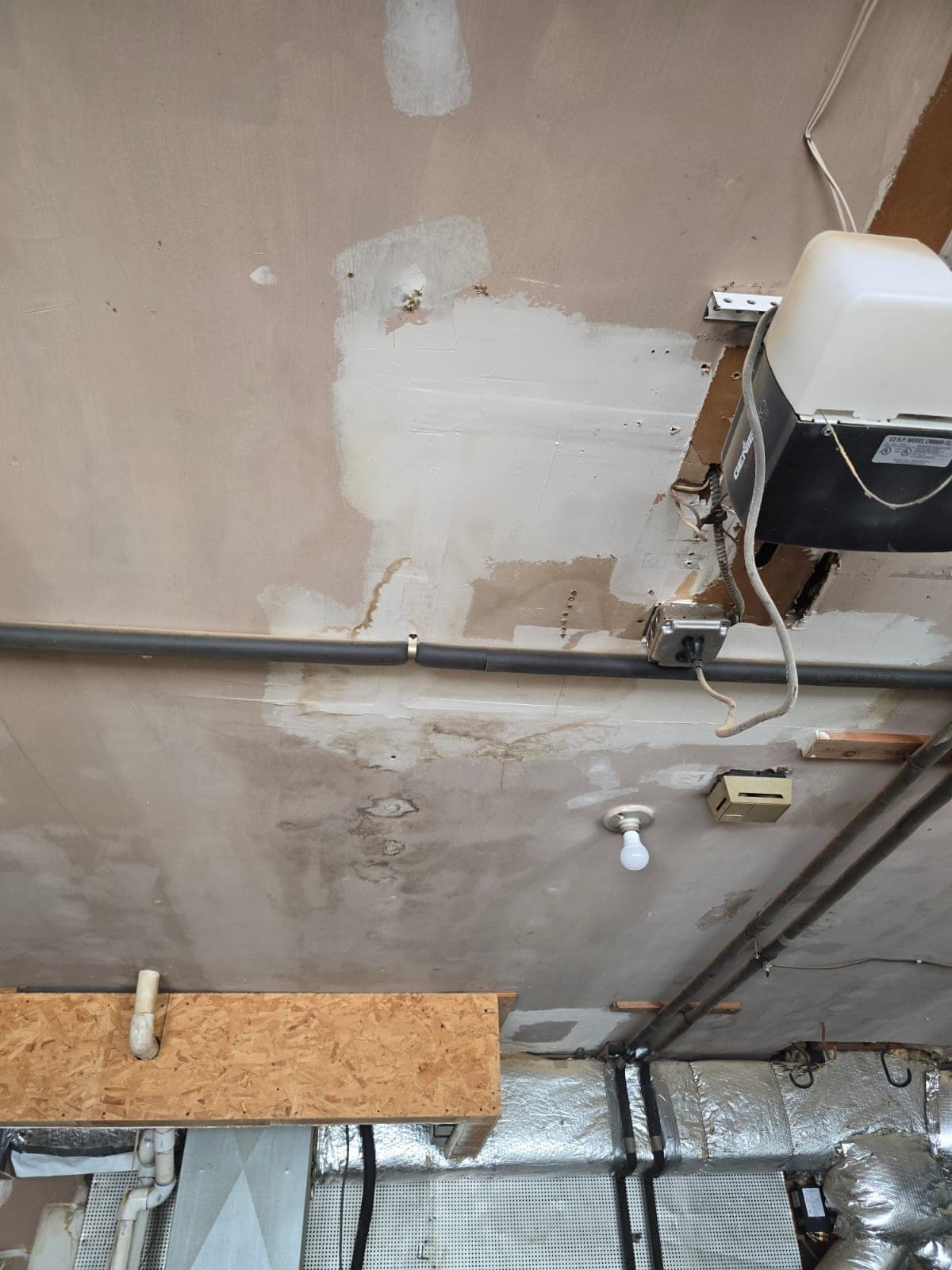
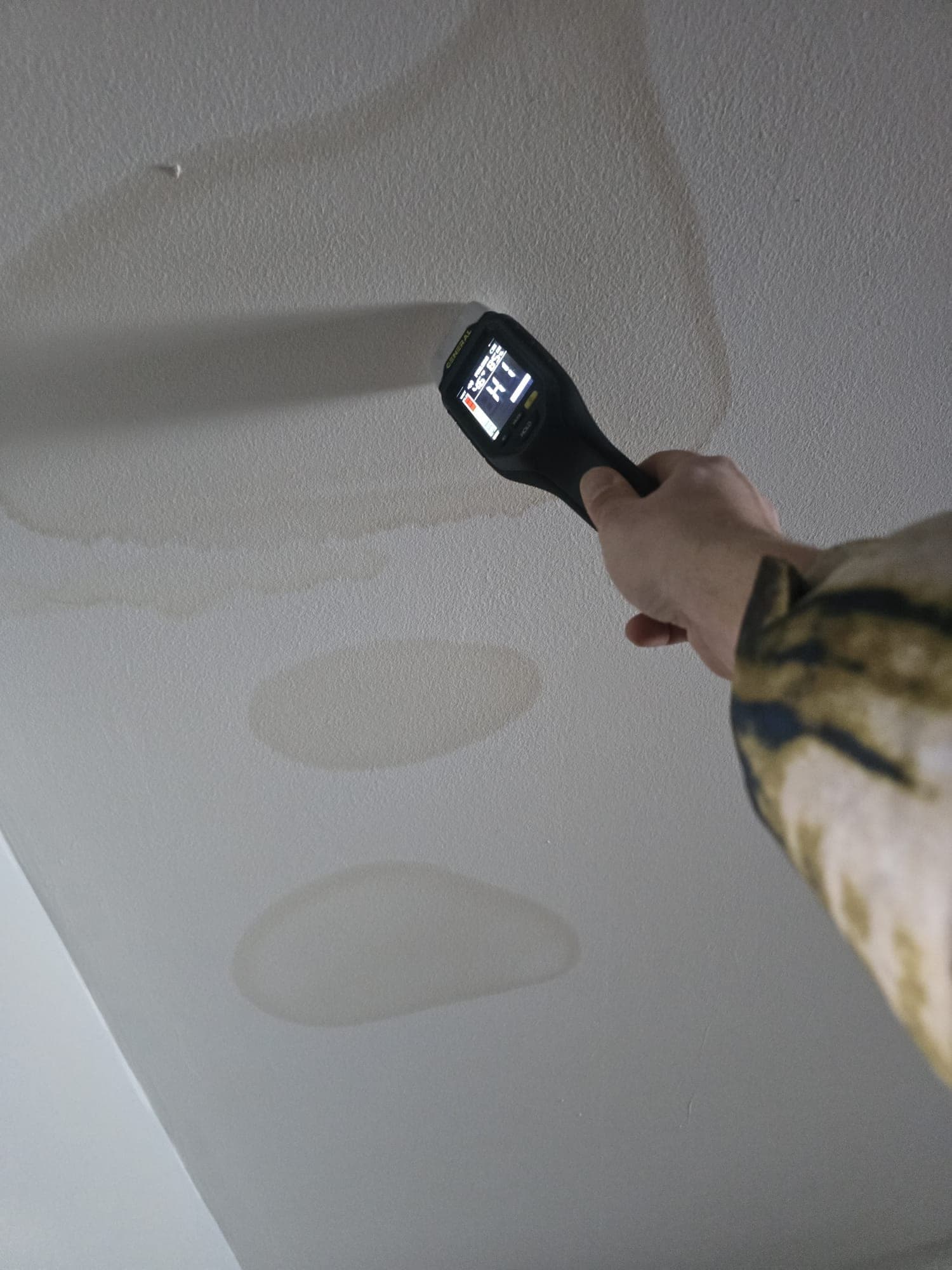
Moisture meters and thermal imaging show how far the water spread: under flooring, behind baseboards, up into the drywall. You get a written scope of what's wet, what's salvageable, and what has to come out before any work starts.
- 03
Extract & remove
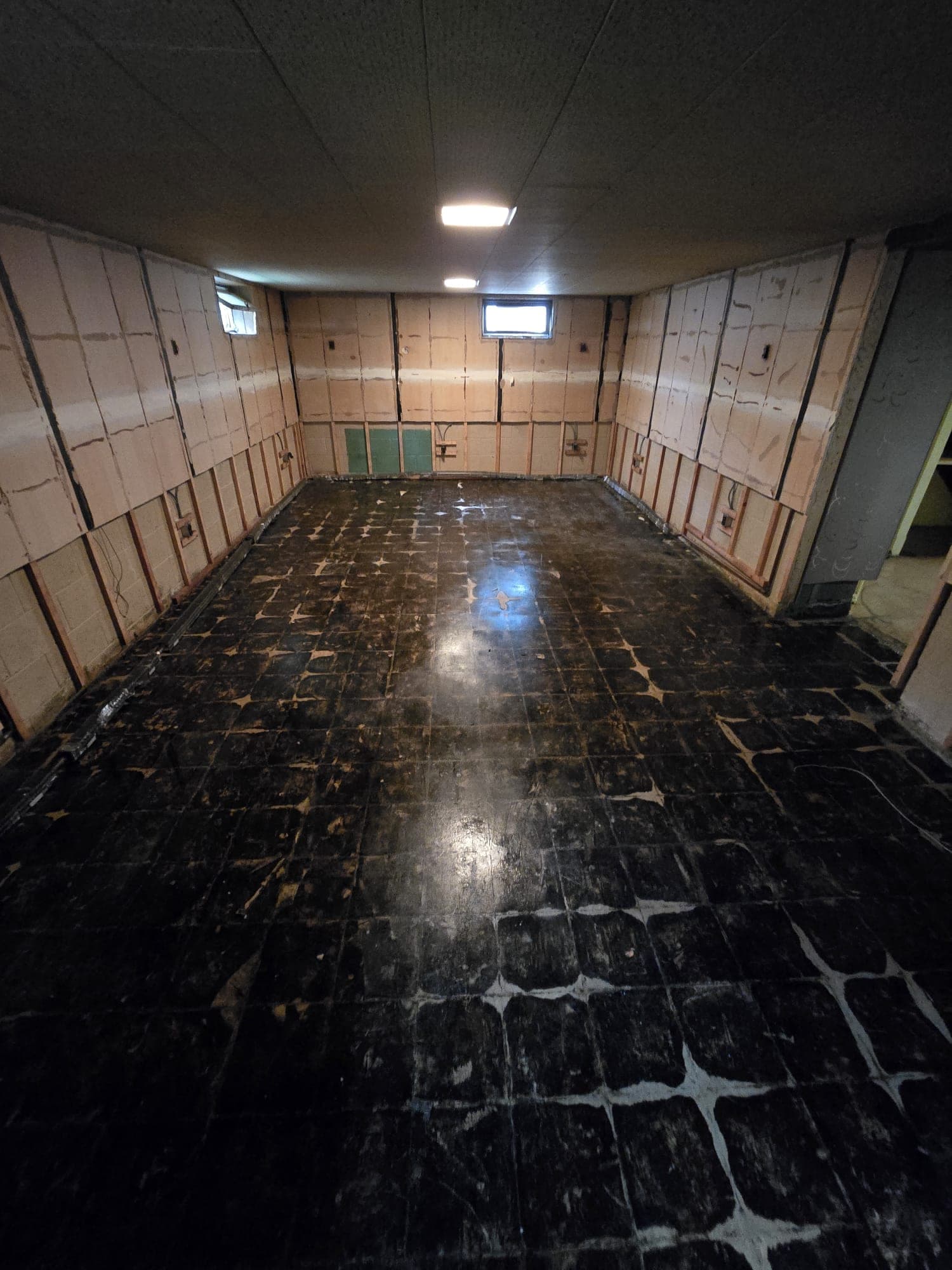
Truck-mounted extraction pulls standing water out fast. Soaked carpet pad, buckled flooring, and drywall that can't be saved come out on the same visit, because wet material left sitting for days is where mold starts.
- 04
Dry & monitor daily
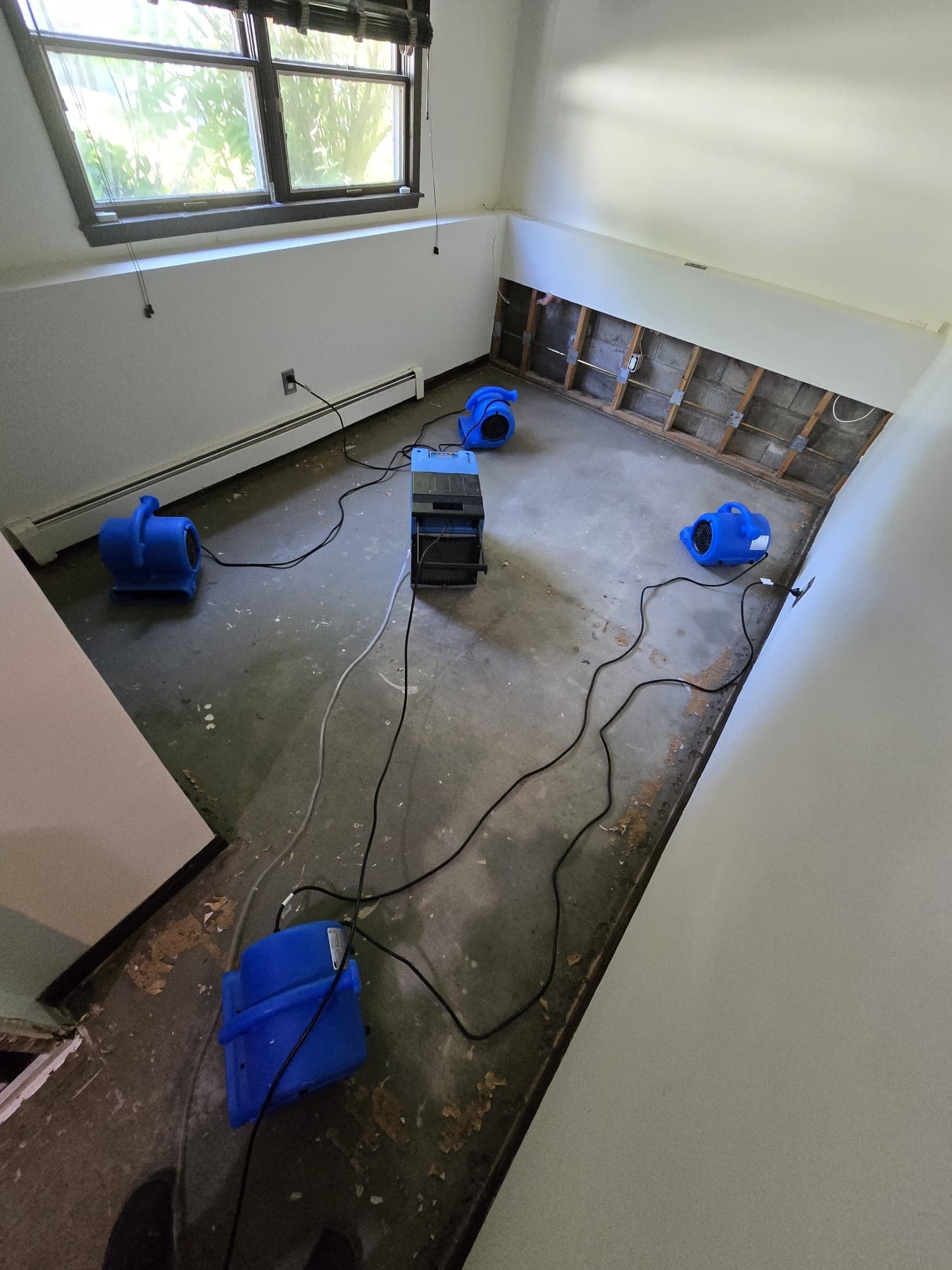
Commercial low-grain dehumidifiers and air movers, placed by measurement rather than guesswork. We check moisture readings daily and reposition equipment until the structure, not just the surface, reaches its dry standard.
- 05
Document the dry-out
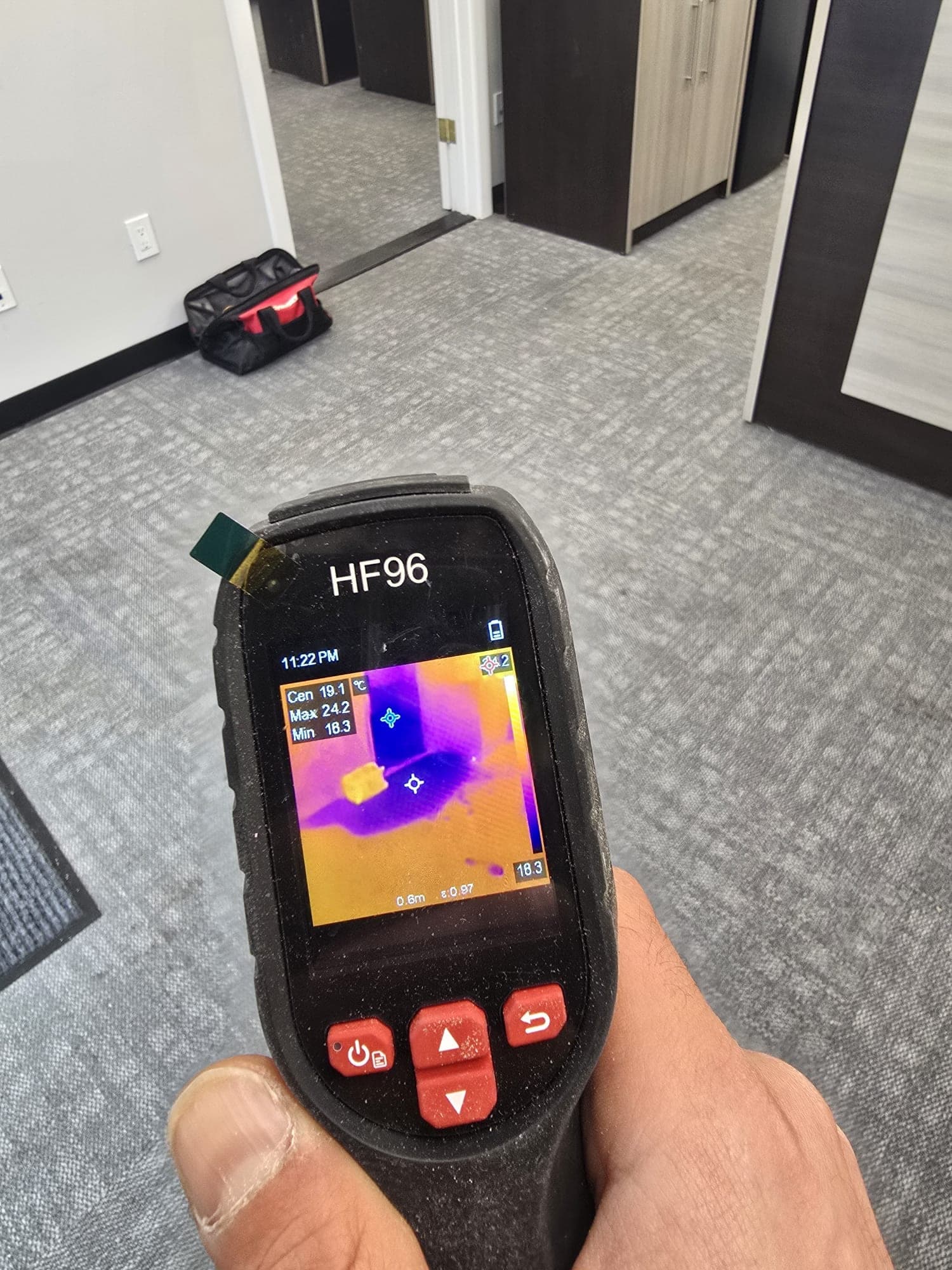
Readings, photos, and a list of every removed material go into a file your insurance adjuster can work from. We don't call it dry until the meters agree, and you get a copy of the drying log.
- 06
Build it back
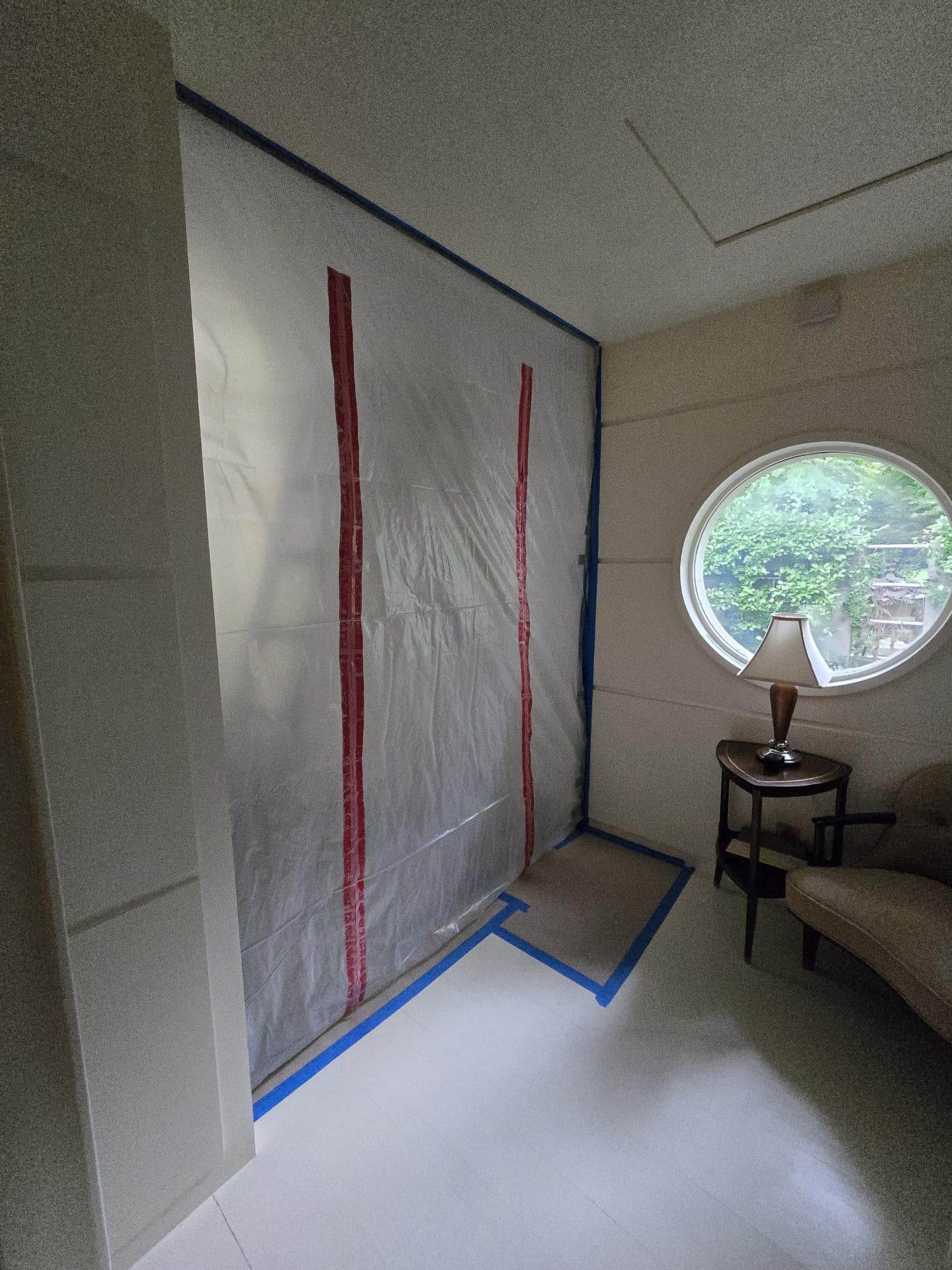
Drywall, insulation, trim, flooring, and paint. The company that dried the structure rebuilds it, so nothing gets closed up wet and no part of the job falls between two contractors.
Local knowledge
What we see in Pawling
The housing stock, the terrain, and the drainage in Pawling all change how we plan a job. Here's what we run into:
On the ground
The Great Swamp is one of the largest freshwater wetlands in New York and it runs right through the Pawling valley. Homes near it sit on a water table that is close to the surface most of the year, so groundwater through the foundation is the usual call here, not a burst pipe.
The housing stock
Village houses have old stone foundations, and the lake houses were built as summer cottages and winterized later, often with crawlspaces instead of basements. Both hold moisture that shows up as mold before it shows up as water.
Getting to you
I-84 east to Route 22 north puts us in Pawling in about an hour, and emergencies are still same-day. Rural driveways and lake roads take a few minutes more than the village.
Heavy rain in the forecast
Before and after a storm in Pawling
We schedule crews around the rain forecast. A few steps before the storm can keep the basement dry, and a few steps right after protect the insurance claim.
Before the rain
- Move stored boxes, rugs, and anything you care about off the basement floor.
- Test the sump pump by pouring a bucket of water into the pit. If it does not run, that is the problem to fix before the rain.
- Clear the window wells and the downspout outlets. Know where the main water shutoff and the electrical panel are.
If water gets in
- Do not go into standing water until the power to that area is off.
- Photograph the water line and everything it touched before you move or throw anything out.
- Call for extraction the same day. Wet drywall and carpet pad grow mold within days.
Full walkthrough: what to do when your basement floods in a storm. Water in the house now? Call (845) 262-6530. Same-day emergency response, six days a week.
Common problems
The problems we're usually called about.
A slow appliance line that leaked for months
Dishwasher, fridge line, or washing machine hose: a slow leak rots subfloor and grows mold out of sight. Insurers look at sudden bursts and long-term leaks differently, so we meter and photograph what the damage shows and put that record in your file for your carrier to work from.
Not sure whether it's dry
A past leak that 'seemed fine', a damp smell, a warm spot on the wall. A moisture inspection takes under an hour and gives you a reading either way. If it's dry, we tell you it's dry and leave.
Ceiling stain that keeps growing
Usually an upstairs bathroom or a pipe run above it. Thermal imaging shows how far the water spread before we open anything, so the cut in your ceiling is as small as the damage allows. We find the leak first, so the repair holds.
Water heater let go in the utility room
Forty-plus gallons, plus whatever the supply line adds until someone notices. Water runs under adjacent flooring long before you see it. We extract, meter every room it could have reached, and dry the slab or subfloor underneath, not just the visible puddle.
Insurance
We work with your insurance, and we bill them directly
- 01
Call us
We answer, ask what happened, and get a crew moving. Same-day emergency response on active water.
- 02
We document everything
We take moisture readings and photos and write up a scope of work before drying starts, so your adjuster has the file from day one.
- 03
We bill your insurer directly
We work directly with your insurance company on covered water and mold claims, so you're not fronting the full cost and chasing reimbursement.
Your deductible is still yours to cover. Your declarations page or your agent has the exact number, and we ask for it before any work starts rather than after. You also don't need a claim to hire us. Plenty of our jobs are paid directly by the homeowner, and after the free inspection you get a written estimate to make that decision with.
Not insurance advice. We're a restoration contractor, not a public adjuster or insurance agent. Coverage decisions belong to your insurer, so confirm anything about your policy with your agent or adjuster.
Who's showing up
Local and independent since 2019.
The person on the phone is the person planning the job. We're in Pawling every week.
- IICRC Certified
- Licensed
- Bonded
- Insured
- Eco-Conscious Products
FAQ
Questions we get most.
Does homeowners insurance cover water damage?
That's a question for your insurer, and we say so on purpose. We're a restoration contractor, not a public adjuster or insurance agent, and only your carrier can tell you what your policy covers. In general terms, homeowners policies treat sudden and accidental damage, like a burst pipe or a failed water heater, differently from a slow leak that ran for months, and flooding from outside is usually a separate policy. That's why the cause of loss matters. When we inspect, we photograph and log what the damage shows, and that record goes to your insurer for their decision. Call your agent or your carrier's claim line to confirm coverage before you count on it.
Do you bill my insurance company directly?
Yes. On covered losses we bill your insurer directly, so you're not writing a large check and waiting for reimbursement. You pay your deductible and we settle the rest with the carrier, backed by the photos, moisture readings, and daily drying logs adjusters ask for. You don't need a claim to hire us, though. A lot of our residential work is paid directly by the homeowner.
How long does it take to dry out a house?
Three to five days for most homes. It depends on what got wet, since drywall and carpet dry faster than hardwood, plaster, or subfloor, and on how long the water sat first. We take moisture readings daily and keep equipment running until the wet materials match dry ones nearby, not until the surface feels dry. Pulling equipment early leaves moisture inside the wall.
How do you find moisture I can't see?
With moisture meters and thermal imaging. Water moves through drywall, along subfloor, and into wall cavities that look fine from inside the room. The meters test the materials themselves, thermal imaging shows the cool damp areas behind walls and under floors, and we dry against what those readings show. A surface that feels dry tells you very little; the reading inside the material is what decides when drying is done.
Will mold grow after water damage?
It can. Growth can start on wet materials within 24 to 72 hours, which is why drying should start the same day. If everything dried fast and completely, verified with moisture readings, mold is unlikely. If materials stayed damp inside walls or under floors, that's where growth shows up. A musty smell weeks after a leak usually means something didn't fully dry, and it's worth a look.
Service area
Pawling, NY — Dutchess County.
We're about 60 minutes out, six days a week. The homes run to 19th-century houses in the village, lake communities around Whaley Lake, and rural properties on wells and septic across the town. We cover every block, including the village center, Whaley Lake, Holmes. Pawling is known for the Metro-North Harlem Line, the Appalachian Trail crossing, Whaley Lake, and the Great Swamp.
Also in Pawling
Emergency? Call first
Water on the floor in Pawling? Skip the form.
Call (845) 262-6530 and we start sorting it out on the phone while the crew loads, six days a week. The form is for anything that can wait a few hours. A person reads it and replies during business hours.
Same-Day Emergency Response. Closed Saturdays.