
IICRC-certified · Free inspection · Insurance billed directly
Water Damage Repair & Reconstruction
The rebuild after the drying is done: drywall, flooring, trim, and paint.
IICRC-certified · Free inspection · Insurance billed directly
Water Damage Repair & Reconstruction
The rebuild after the drying is done: drywall, flooring, trim, and paint.
Serving Orange, Rockland, Westchester & Dutchess counties in NY and Bergen, Passaic, Essex & Hudson counties in North Jersey.
At a glance
The crew that dried your walls is the crew that closes them, matches the paint, reinstalls the trim, and walks the punch list with you. One company and one insurance file from the first day to the last, so the job doesn't stall between two contractors.
Content reviewed July 2026.
The inspection is free, and you get a written scope before any work starts. If the job is smaller than you expected, we'll tell you that.
- IICRC Certified
- Licensed
- Bonded
- Insured
- Eco-Conscious Products
Heavy rain in the forecast
Before and after a storm
We schedule crews around the rain forecast. A few steps before the storm can keep the basement dry, and a few steps right after protect the insurance claim.
Before the rain
- Move stored boxes, rugs, and anything you care about off the basement floor.
- Test the sump pump by pouring a bucket of water into the pit. If it does not run, that is the problem to fix before the rain.
- Clear the window wells and the downspout outlets. Know where the main water shutoff and the electrical panel are.
If water gets in
- Do not go into standing water until the power to that area is off.
- Photograph the water line and everything it touched before you move or throw anything out.
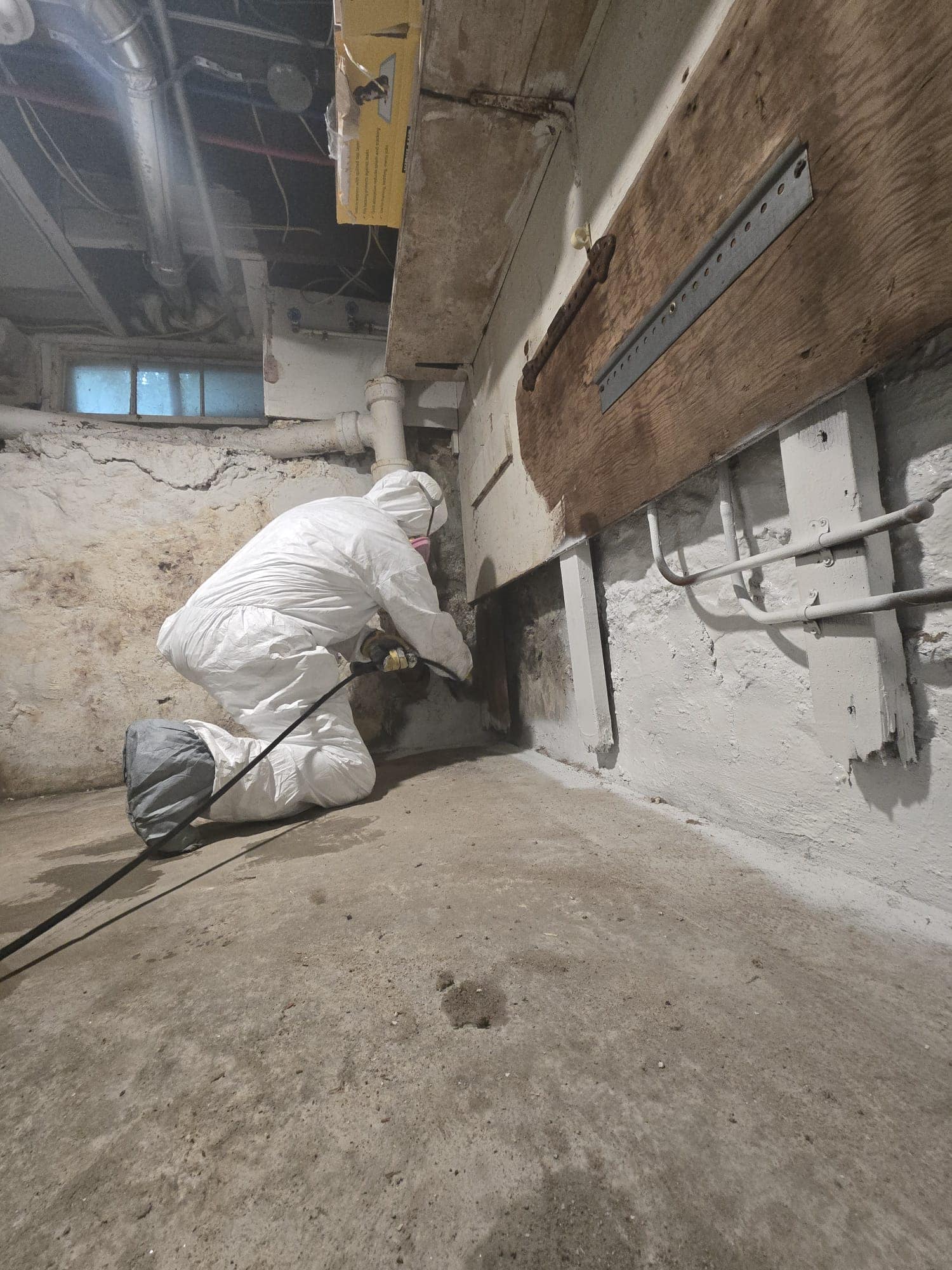
- Call for extraction the same day. Wet drywall and carpet pad grow mold within days.
Full walkthrough: what to do when your basement floods in a storm. Water in the house now? Call (845) 262-6530. Same-day emergency response, six days a week.
The work
What's included
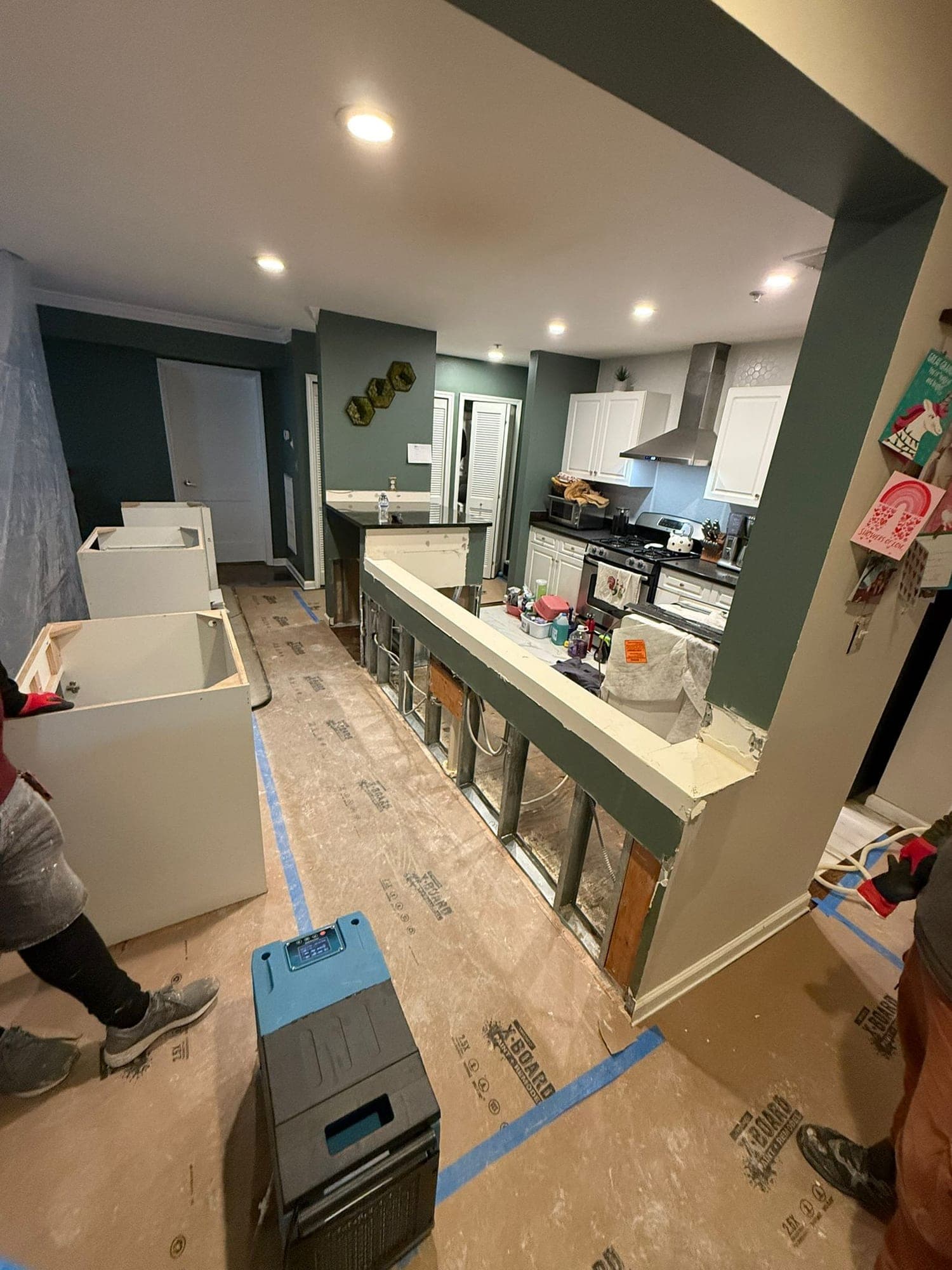
The build-back after water or mold work: drywall, insulation, flooring, trim, and paint — done by the same company that dried the structure, scoped to match the insurance estimate line by line.
- Drywall, insulation, taping, and paint-matched finishing
- Flooring replacement and subfloor repair after water losses
- Trim, baseboard, and casing matched to the rest of the house
- Moisture re-checked before anything gets closed up
- Scope written to match the insurance estimate line by line
- One punch-list walkthrough with you before we call it done
Process
How the job goes.
- 01
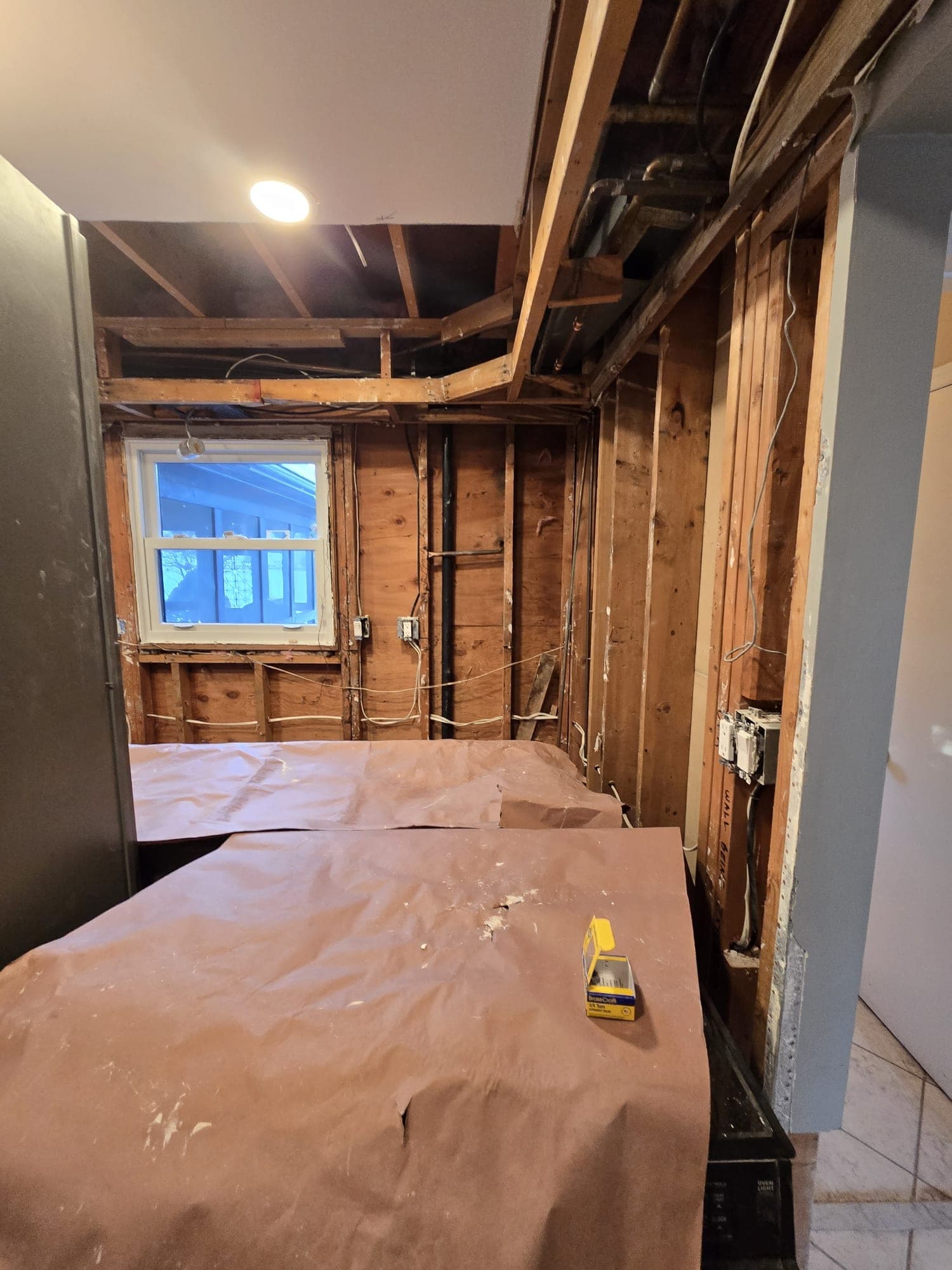
Scope against the estimate
We build the repair scope to the adjuster's line items and flag gaps before work starts, like missing paint lines or undersized flooring allowances, so supplements get requested up front instead of argued about later.
- 02
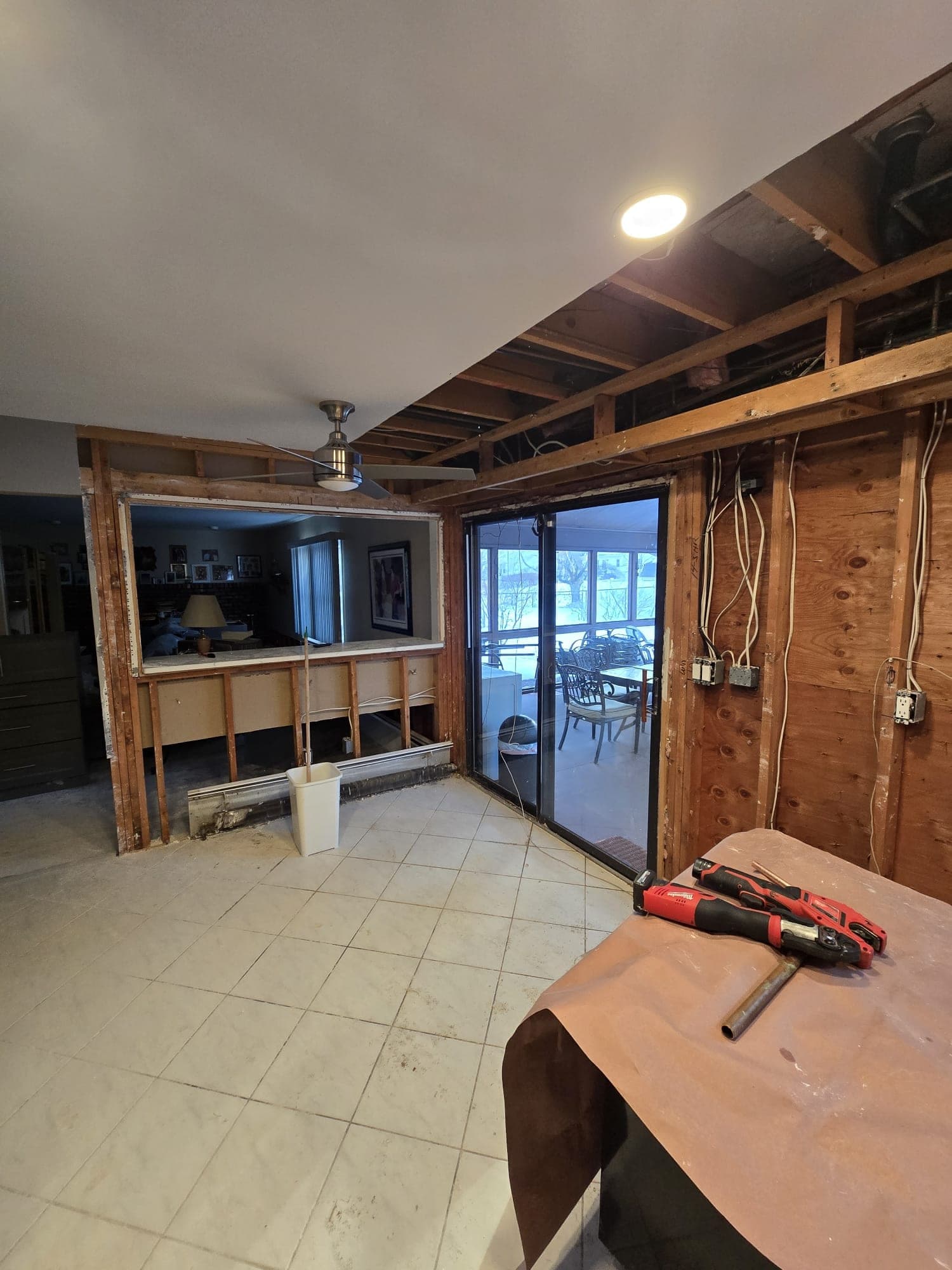
Verify it's dry
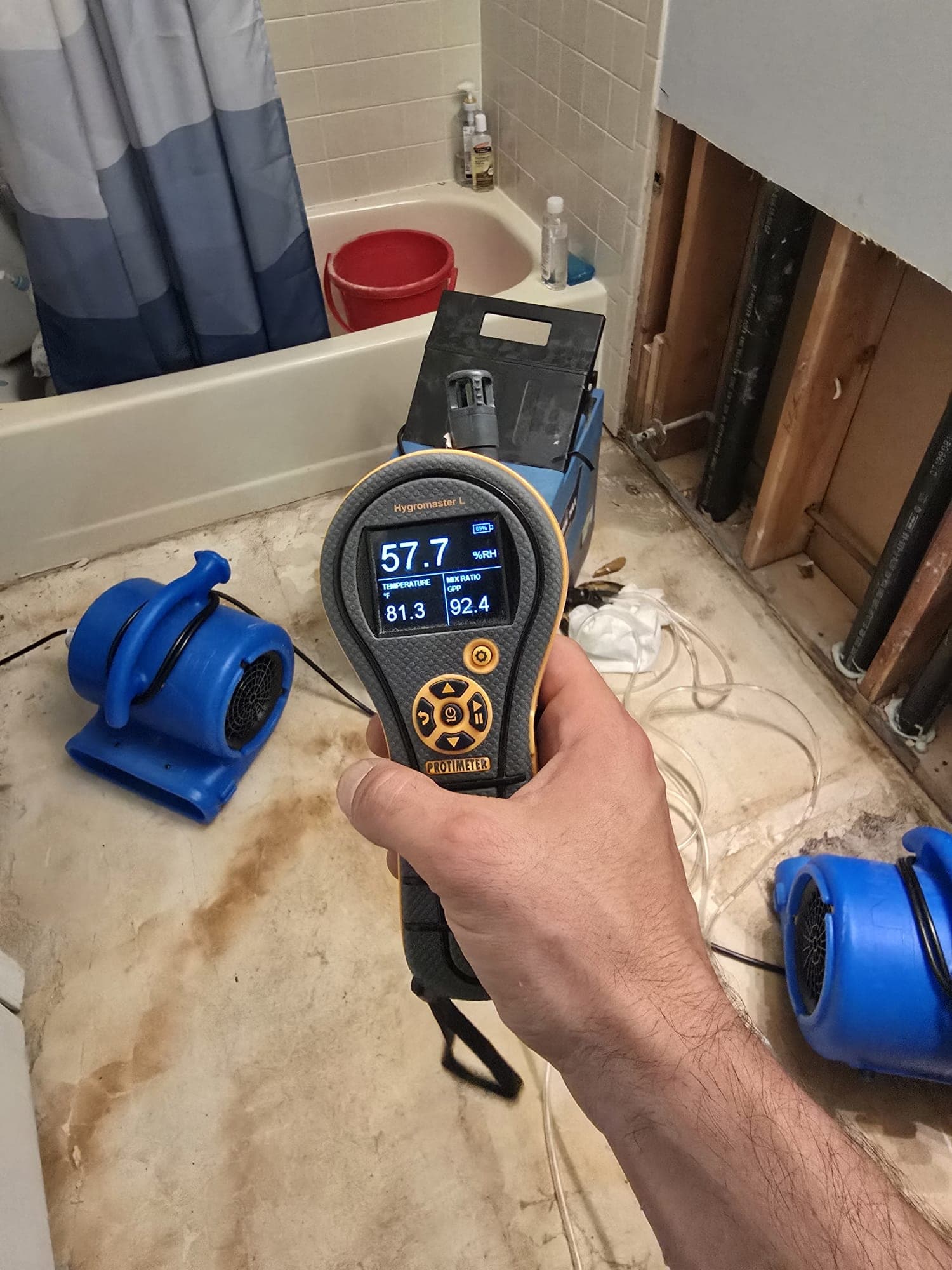
Before the first sheet of drywall goes up, we re-meter the framing and subfloor. If we did the drying, this confirms the log. If another company did, this is where we confirm it before building over it.
- 03
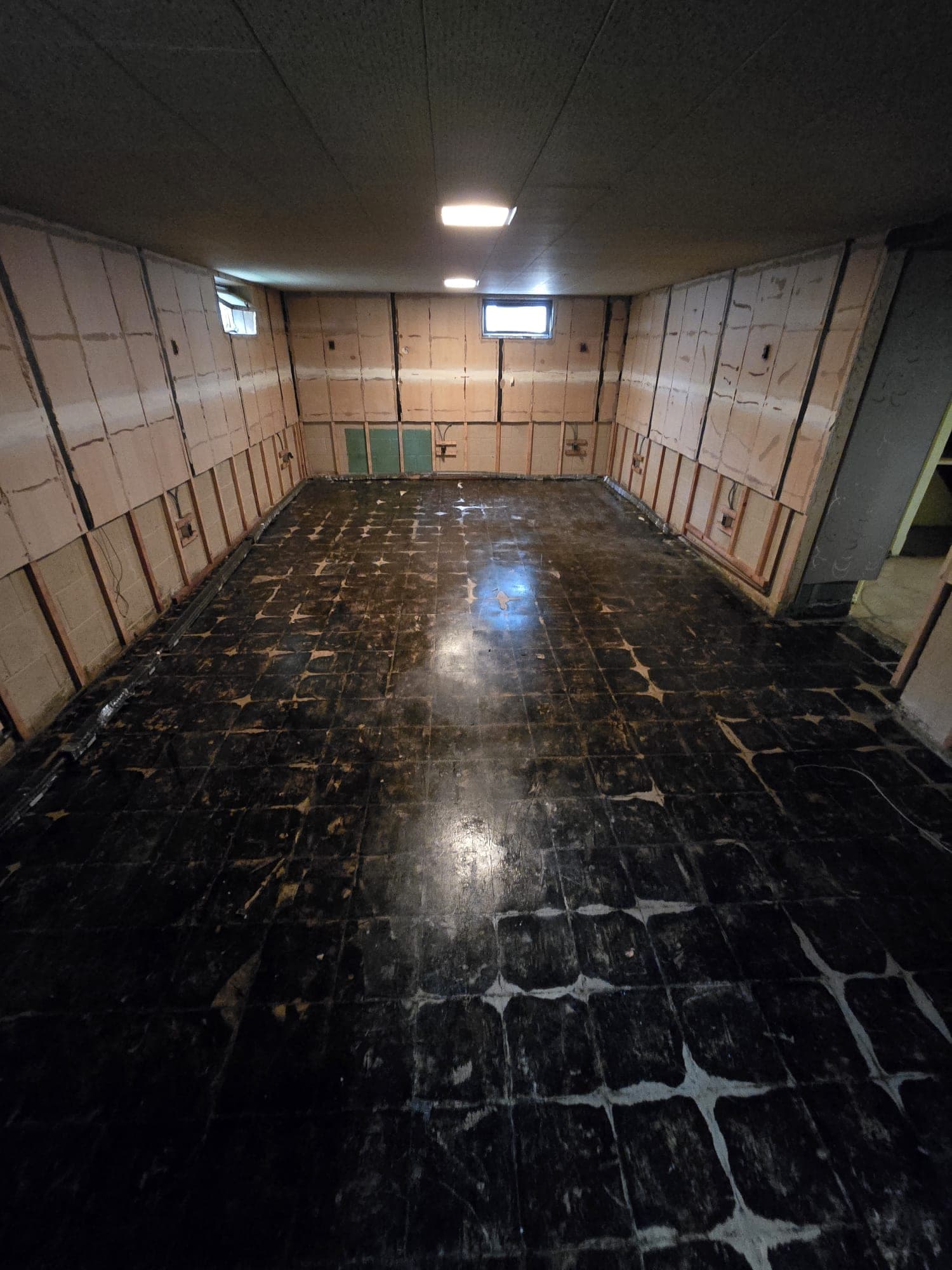
Rough-in
Insulation restored to spec, drywall hung, taped, and finished to match the existing texture, so the patch doesn't stand out when you walk into the room.
- 04
Floors & trim
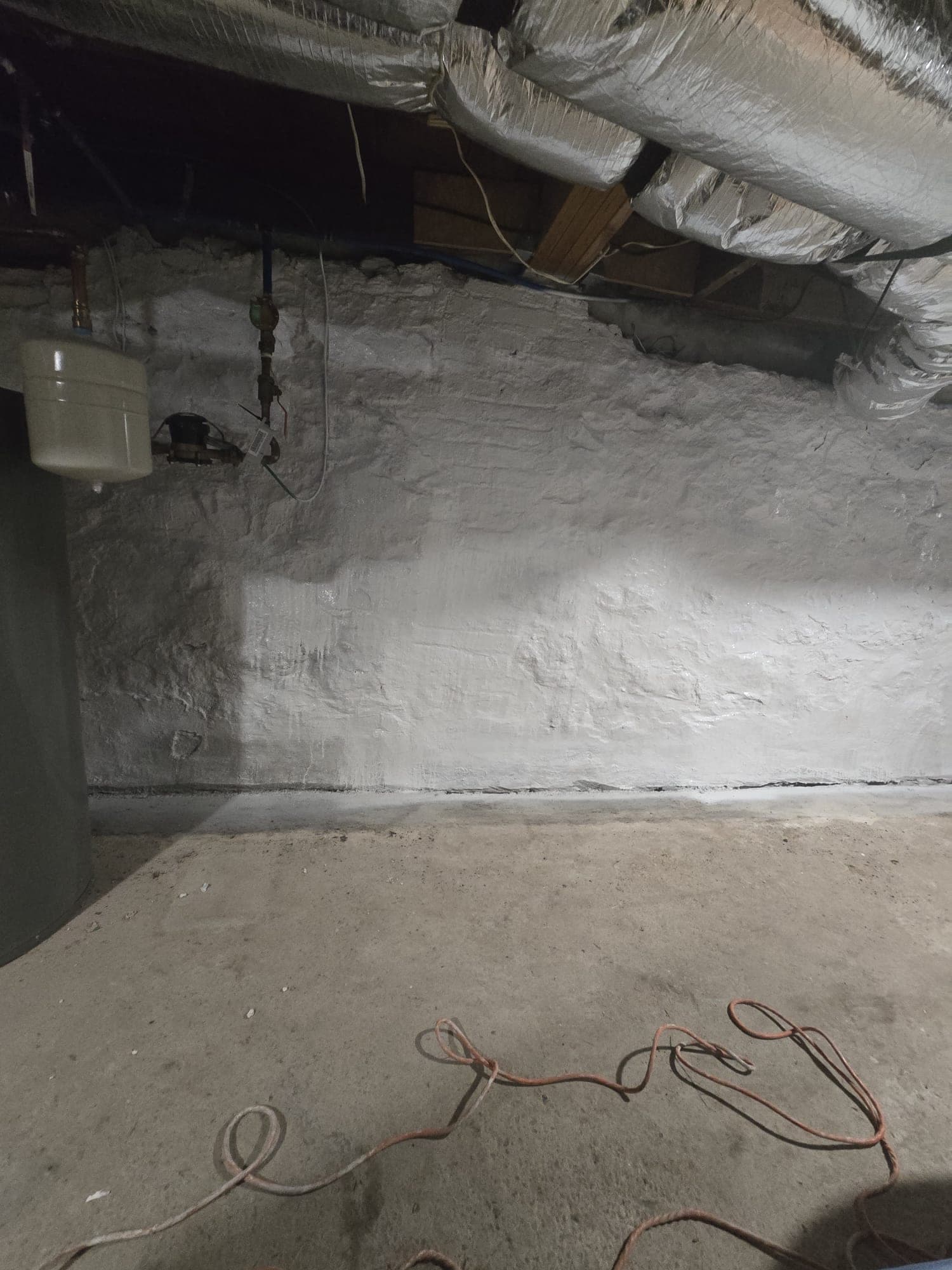
Flooring replaced or patched in with attention to transitions, baseboard and casings matched to profile. Where an exact match to older material isn't possible, we tell you before installing, not after.
- 05
Paint & punch list
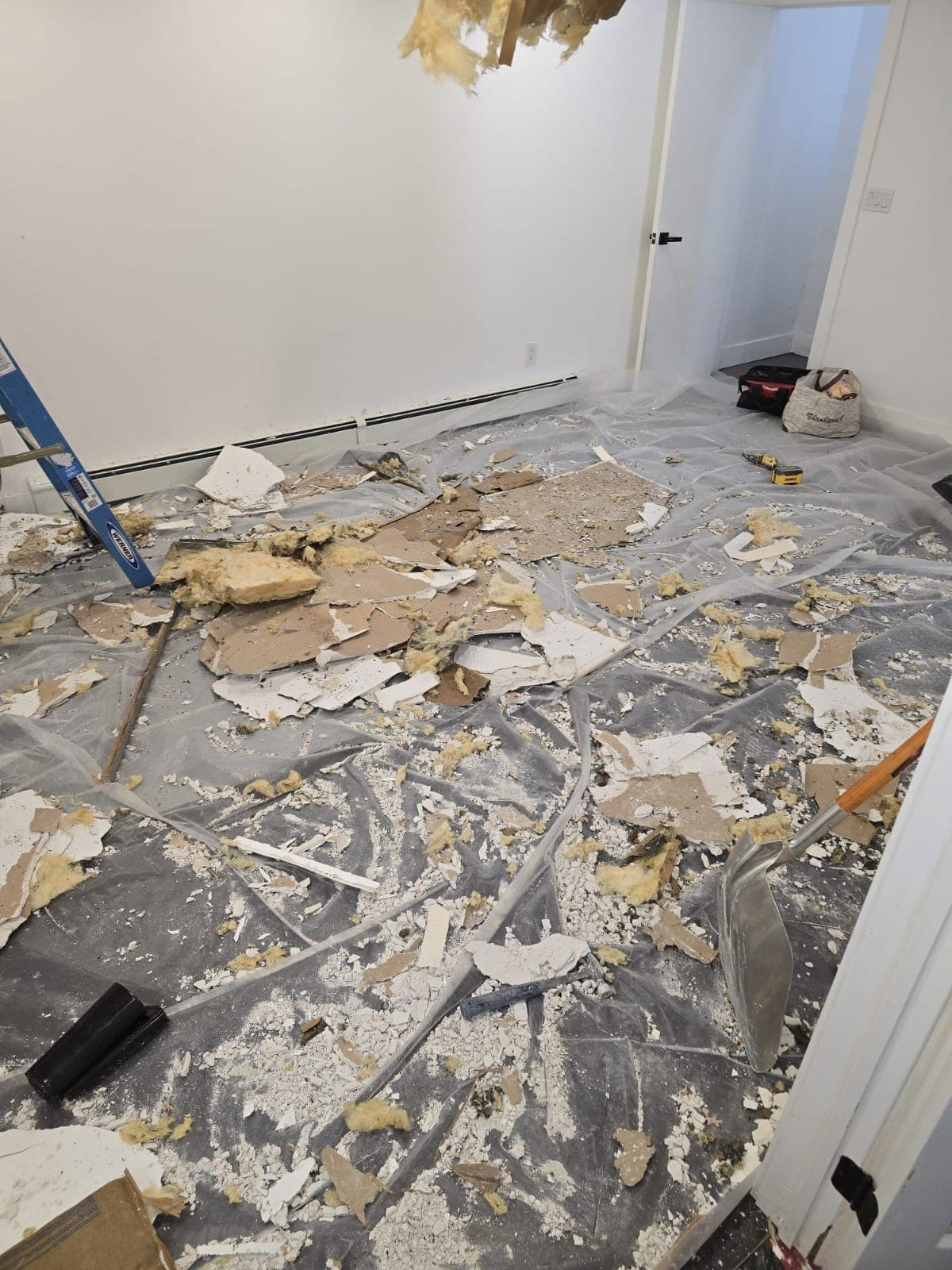
Color-matched paint, full-wall or corner-to-corner so sheen doesn't flash, then a walkthrough with you against the scope. Anything on the punch list gets fixed before the file closes.
Insurance
We work with your insurance, and we bill them directly
- 01
Call us
We answer, ask what happened, and get a crew moving. Same-day emergency response on active water.
- 02
We document everything
We take moisture readings and photos and write up a scope of work before drying starts, so your adjuster has the file from day one.
- 03
We bill your insurer directly
We work directly with your insurance company on covered water and mold claims, so you're not fronting the full cost and chasing reimbursement.
Your deductible is still yours to cover. Your declarations page or your agent has the exact number, and we ask for it before any work starts rather than after. You also don't need a claim to hire us. Plenty of our jobs are paid directly by the homeowner, and after the free inspection you get a written estimate to make that decision with.
Not insurance advice. We're a restoration contractor, not a public adjuster or insurance agent. Coverage decisions belong to your insurer, so confirm anything about your policy with your agent or adjuster.
Common problems
What we get called about most.
The mitigation crew left and nobody came back to rebuild
The home is dried out, the walls are open, and the mitigation company stopped returning calls. We pick up stranded build-backs: verify the drying was finished, reconcile the scope with the insurance estimate, and close the project out.
The insurance estimate doesn't cover what contractors quote
Usually the estimate is missing lines rather than underpricing the ones it has. We write supplement requests regularly and know what documentation they need, and most of these gaps get closed on paper.
A patch that doesn't match the wall
Texture, sheen, and paint age all show at the edges of a patch. We feather the texture past the repair, prime it, and paint to a natural break. If an old finish can't be matched exactly, we tell you before we start.
A half-finished DIY rebuild that stalled
You hung the drywall after the flood and then life got in the way. We pick it up from wherever it stands, redo only the parts that need redoing, and get the room back in service.
Who's showing up
Local and independent since 2019.
The person on the phone is the one planning your job, and the scope and moisture readings come from the crew that does the work.
- IICRC Certified
- Licensed
- Bonded
- Insured
- Eco-Conscious Products
Related services
More of our water damage services.
Part of our Water Damage Restoration service. See the full picture →
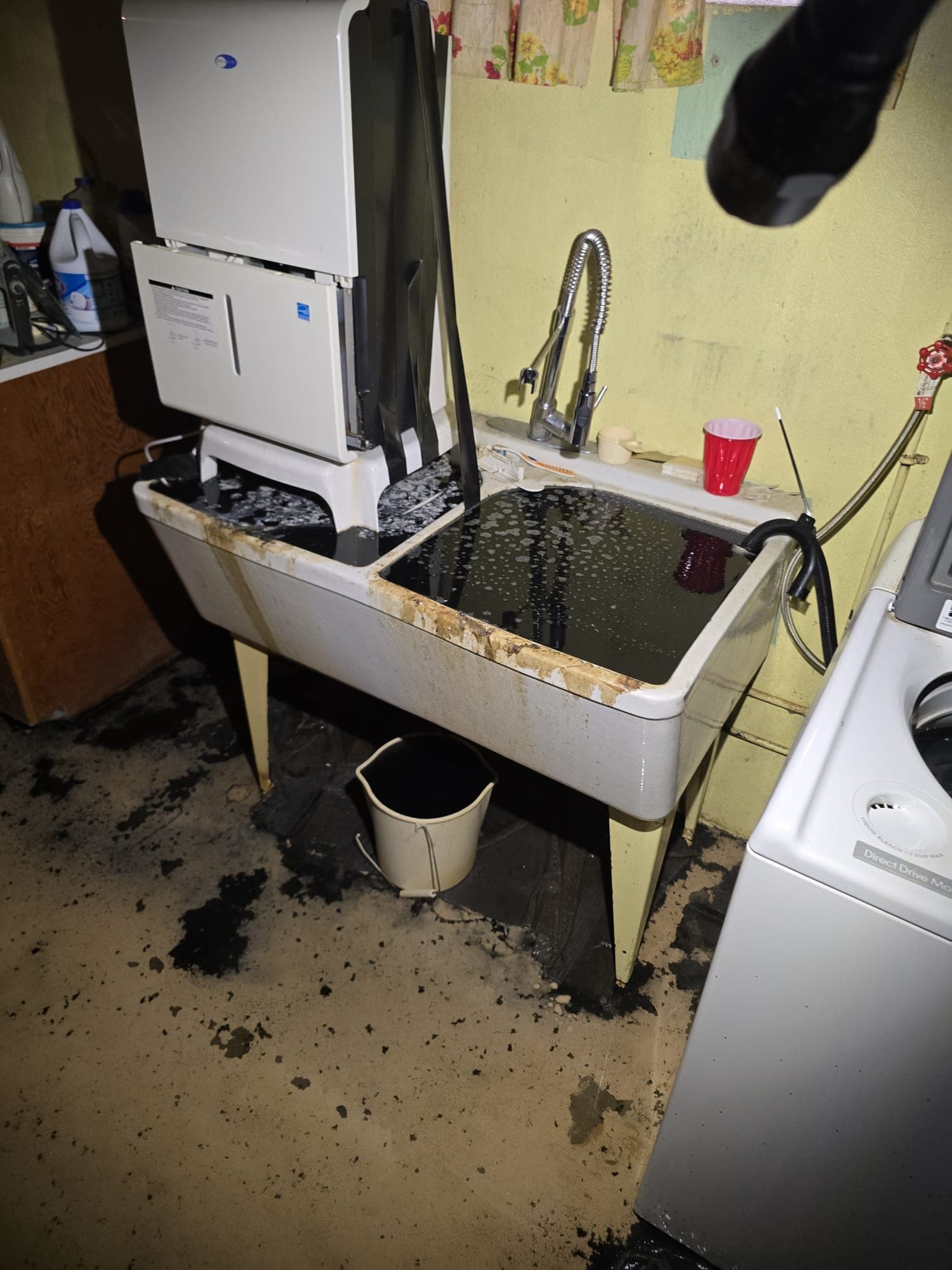
Emergency Water Removal →
Standing water pumped and extracted the same day, usually within hours of your call.
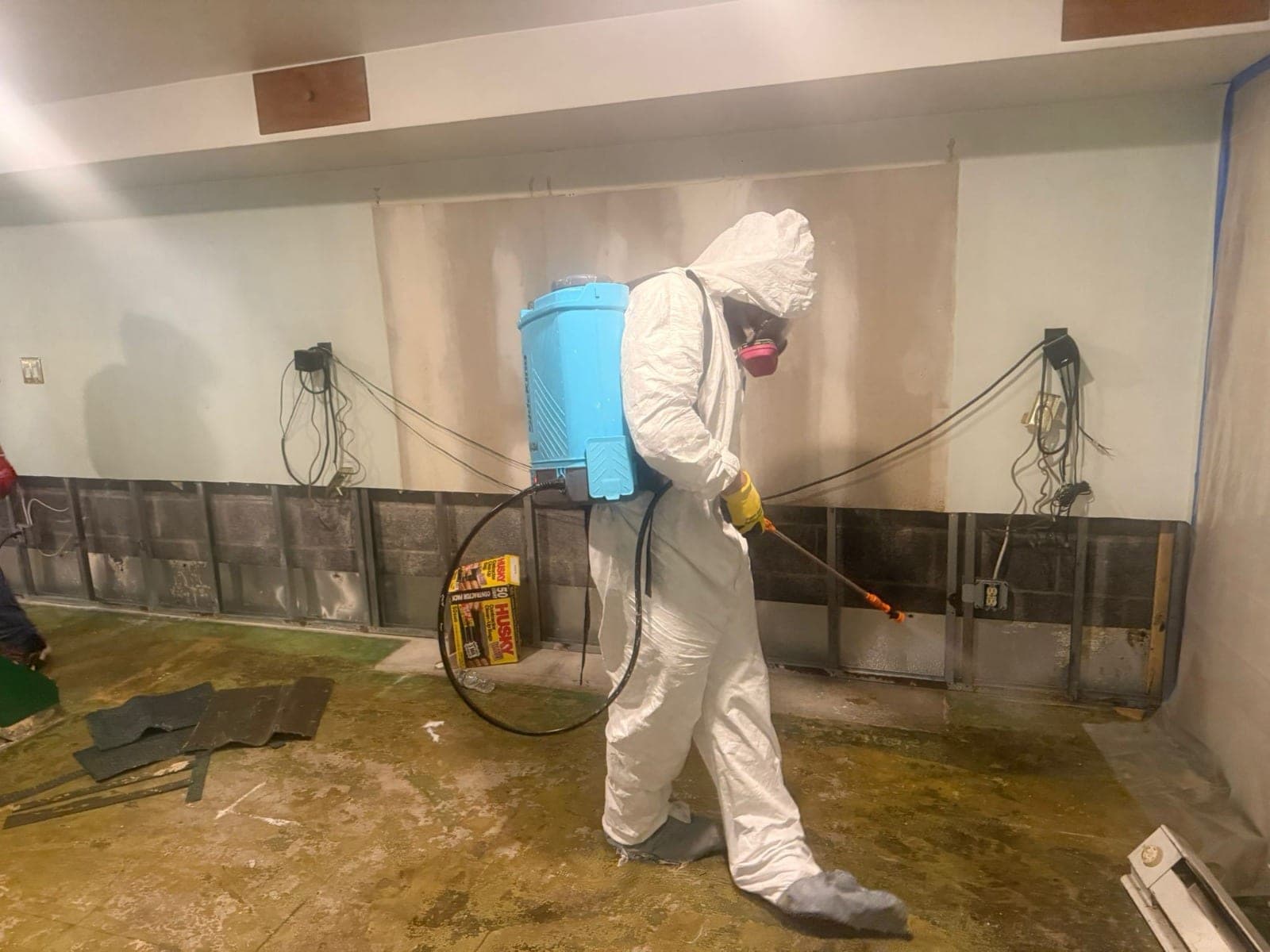
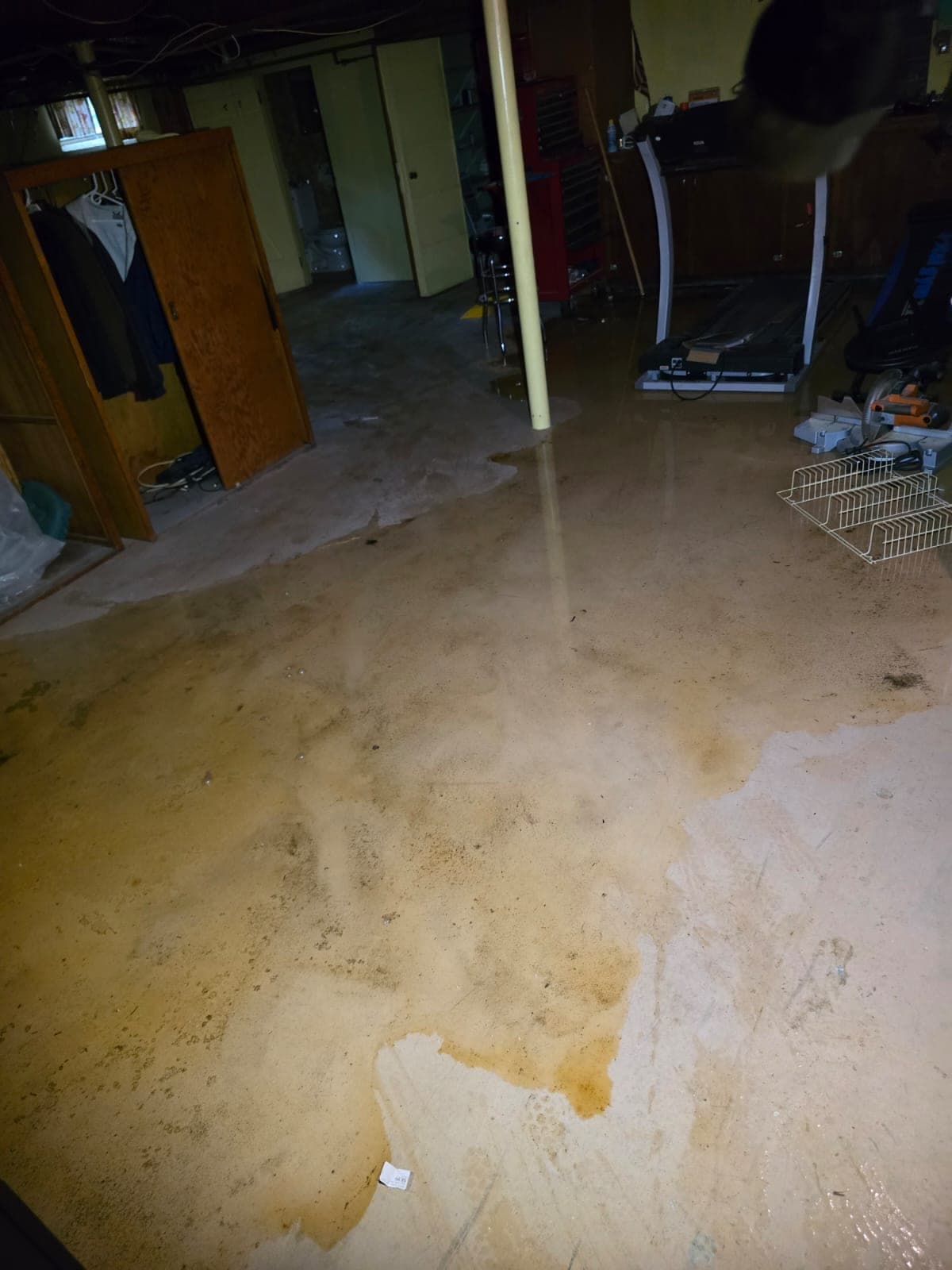
Basement Flood Cleanup →
Pumped out and dried, and you'll know why it flooded before we leave.
Sewage Cleanup →
Sewage backups handled to IICRC Category 3 standards, with containment and full protective gear.
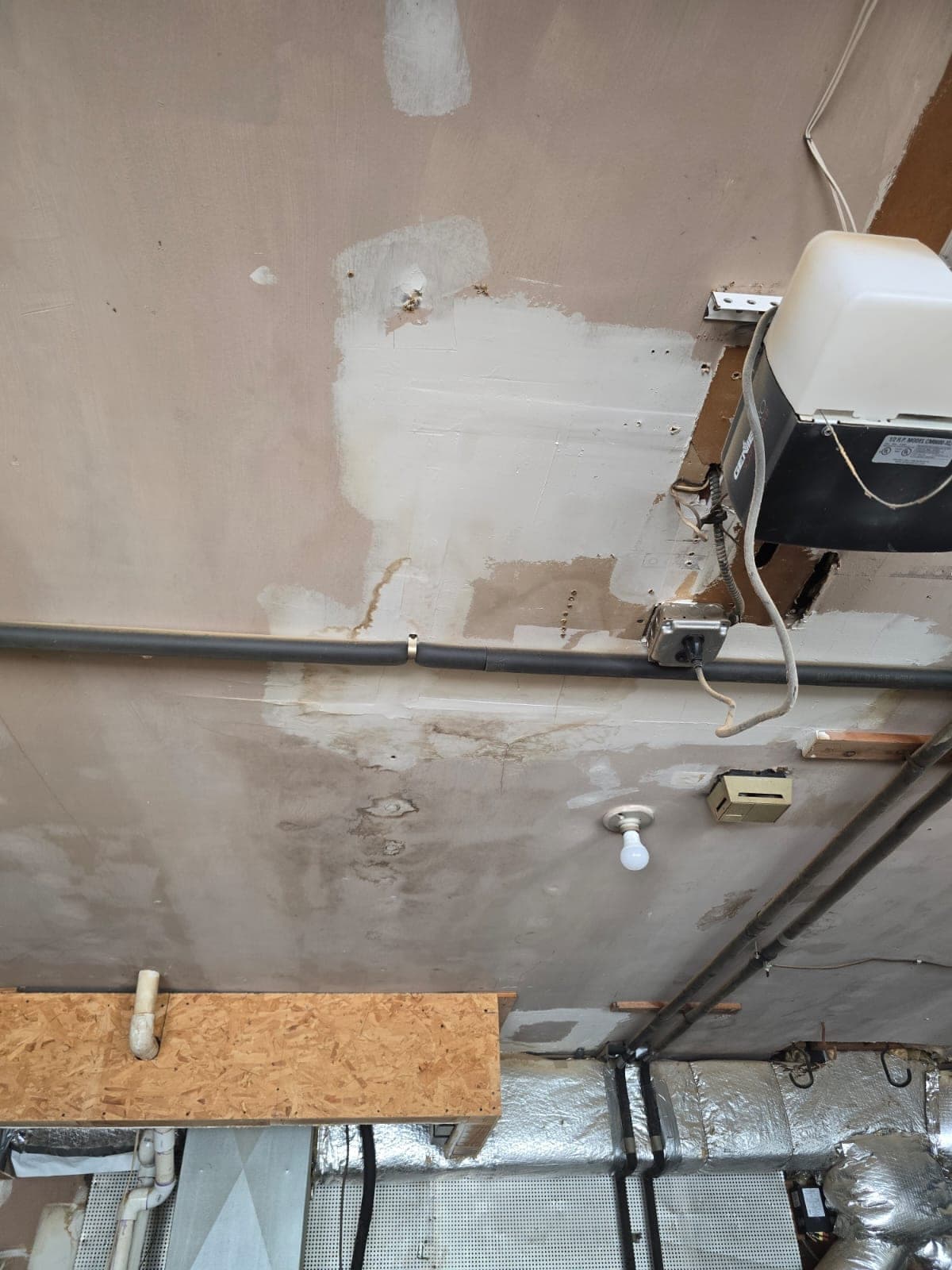
Burst Pipe Cleanup →
Burst pipe, frozen line, or a failed appliance hose: stop the water, then dry what it soaked.
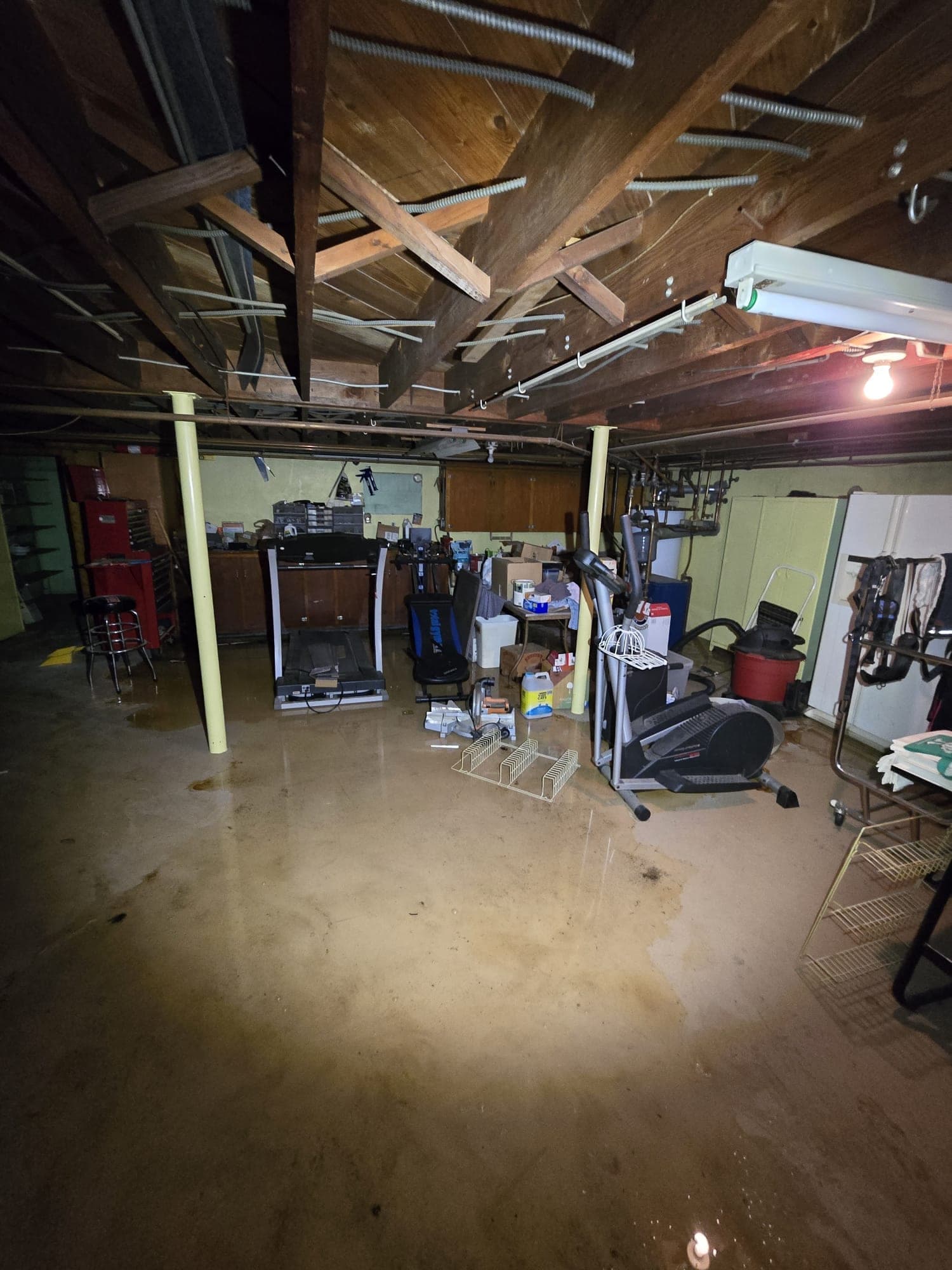
Storm Damage Cleanup →
Roof leaks, wind-driven rain, and flash flooding, cleaned up after the storm passes.
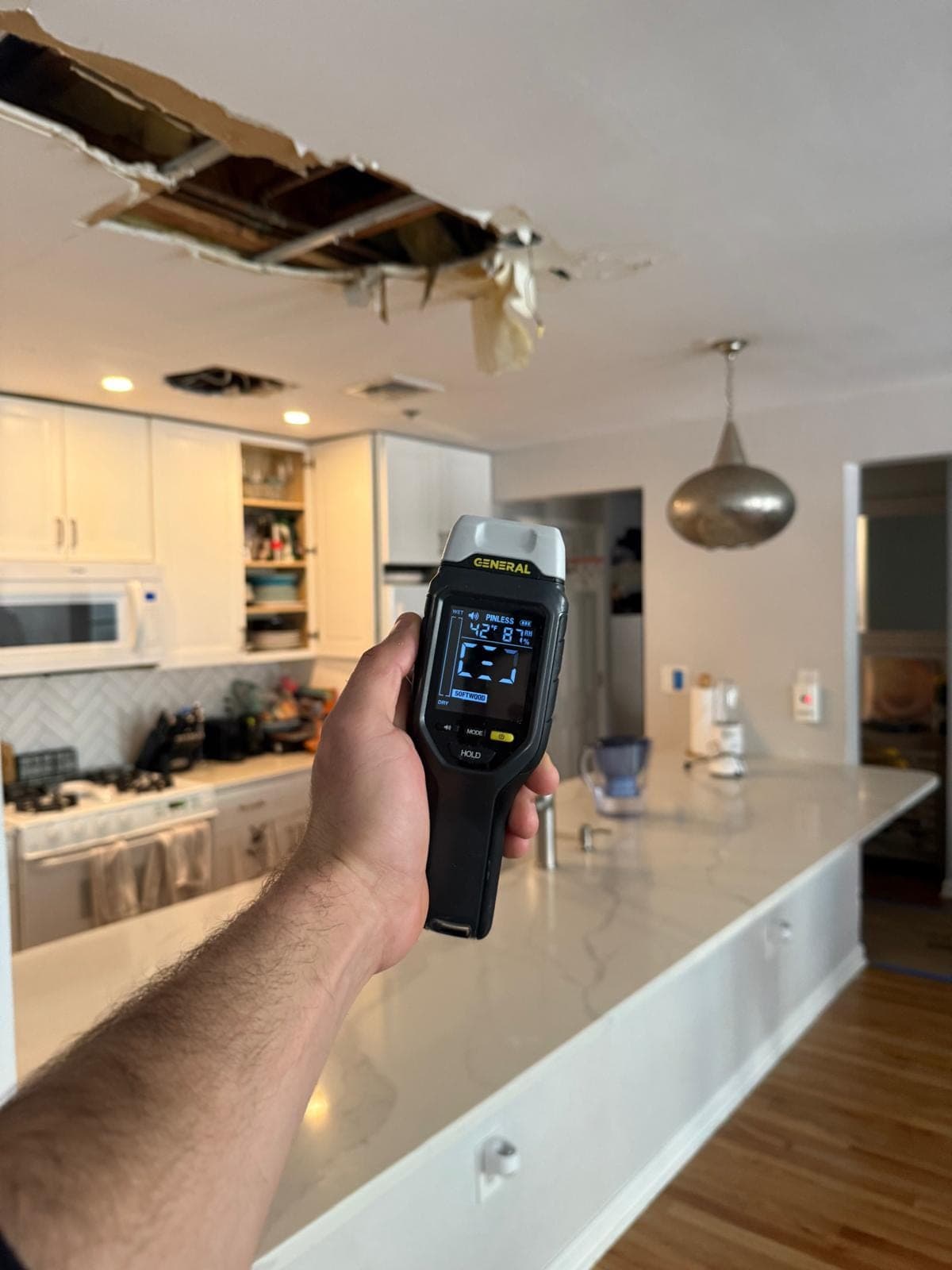
Structural Drying & Dehumidification →
Dehumidifiers, air movers, and daily moisture readings until the structure hits dry standard.
FAQ
Questions we get most.
Does homeowners insurance cover water damage?
That's a question for your insurer, and we say so on purpose. We're a restoration contractor, not a public adjuster or insurance agent, and only your carrier can tell you what your policy covers. In general terms, homeowners policies treat sudden and accidental damage, like a burst pipe or a failed water heater, differently from a slow leak that ran for months, and flooding from outside is usually a separate policy. That's why the cause of loss matters. When we inspect, we photograph and log what the damage shows, and that record goes to your insurer for their decision. Call your agent or your carrier's claim line to confirm coverage before you count on it.
Do you bill my insurance company directly?
Yes. On covered losses we bill your insurer directly, so you're not writing a large check and waiting for reimbursement. You pay your deductible and we settle the rest with the carrier, backed by the photos, moisture readings, and daily drying logs adjusters ask for. You don't need a claim to hire us, though. A lot of our residential work is paid directly by the homeowner.
Do I still have to pay my deductible?
Yes. The deductible is your agreed share of a covered loss, and it applies before insurance pays anything. Your declarations page or your agent has the exact number. Be wary of any contractor offering to waive or absorb it; that misrepresents the claim and can put you at risk. If the damage is small, we say so after the free inspection and give you the written estimate, so you and your agent can decide whether filing makes sense against your deductible.
What documentation does an insurance claim need?
Four things: photos of the damage before work starts, moisture readings from every affected material, daily drying logs, and an itemized scope of what was done and why. We produce all of it as we work, and you get copies whether or not you file. If a failed part caused the loss, like a supply line or a burst hose, keep it, because adjusters often ask to see it.
Should I wait for the adjuster before you start work?
Usually no. Most homeowners policies require you to take reasonable steps to prevent further damage, and your agent or adjuster can confirm what yours says. Extraction and drying should start promptly instead of several days later, once materials have soaked through and mold has had time to start. We photograph and document everything before and during mitigation, so the adjuster sees what condition the property was in.
Our work
Free inspection
Start with a free inspection and a written scope.
Call or send the form. We come out, look at what you have, and put the scope in writing so you know what the work involves. If it can wait, we'll say so.
Office hours: Mon–Fri 8am–6pm · Sun 8am–6pm · Closed Saturdays.