
IICRC-certified · Free inspection · Insurance billed directly
Mold Inspection & Testing
We find it, map the moisture behind it, and tell you whether lab testing is worth paying for.
Serving Orange, Rockland, Westchester & Dutchess counties in NY and Bergen, Passaic, Essex & Hudson counties in North Jersey.
At a glance
Before you pay anyone for lab samples, get the moisture measured. We inspect, map what's wet with meters and thermal imaging, and put the findings in writing, whether that's a problem, an old stain, or nothing at all. If you can already see the mold, testing it rarely changes what has to happen next.
Content reviewed July 2026.
The inspection is free, and you get a written scope before any work starts. If the job is smaller than you expected, we'll tell you that.
- IICRC Certified
- Licensed
- Bonded
- Insured
- Eco-Conscious Products
Heavy rain in the forecast
After a storm floods the basement: the mold clock
Storm water in a basement turns into a mold job when the drying waits. Here is what matters in the first day.
In the first day
- Wet materials start growing mold in 24 to 48 hours. Drying fast is the mold prevention.
- Do not run the furnace fan or box fans to dry the house. They move damp air and spores through every room.
- If a floor drain or toilet backed up with the rain, the water is contaminated and porous materials it touched have to come out.
Full walkthrough: what to do when your basement floods in a storm. Water in the house now? Call (845) 262-6530. Same-day emergency response, six days a week.
The work
What's included
Moisture-first mold inspections: visual assessment, meter and thermal-imaging moisture mapping, and clear advice on when lab sampling is worth the money and when it isn't.
- Moisture-first inspection with meters and thermal imaging, not just a flashlight
- Visible mold rarely needs a lab to confirm it, and we'll say so
- Air and surface sampling through an independent lab when it changes the plan
- Real-estate transaction inspections with written findings, on the deal's timeline
- Post-remediation verification available through independent third parties
- Free inspection, and you pay for sampling only if you choose it
Process
How the job goes.
- 01
Walk-through & history
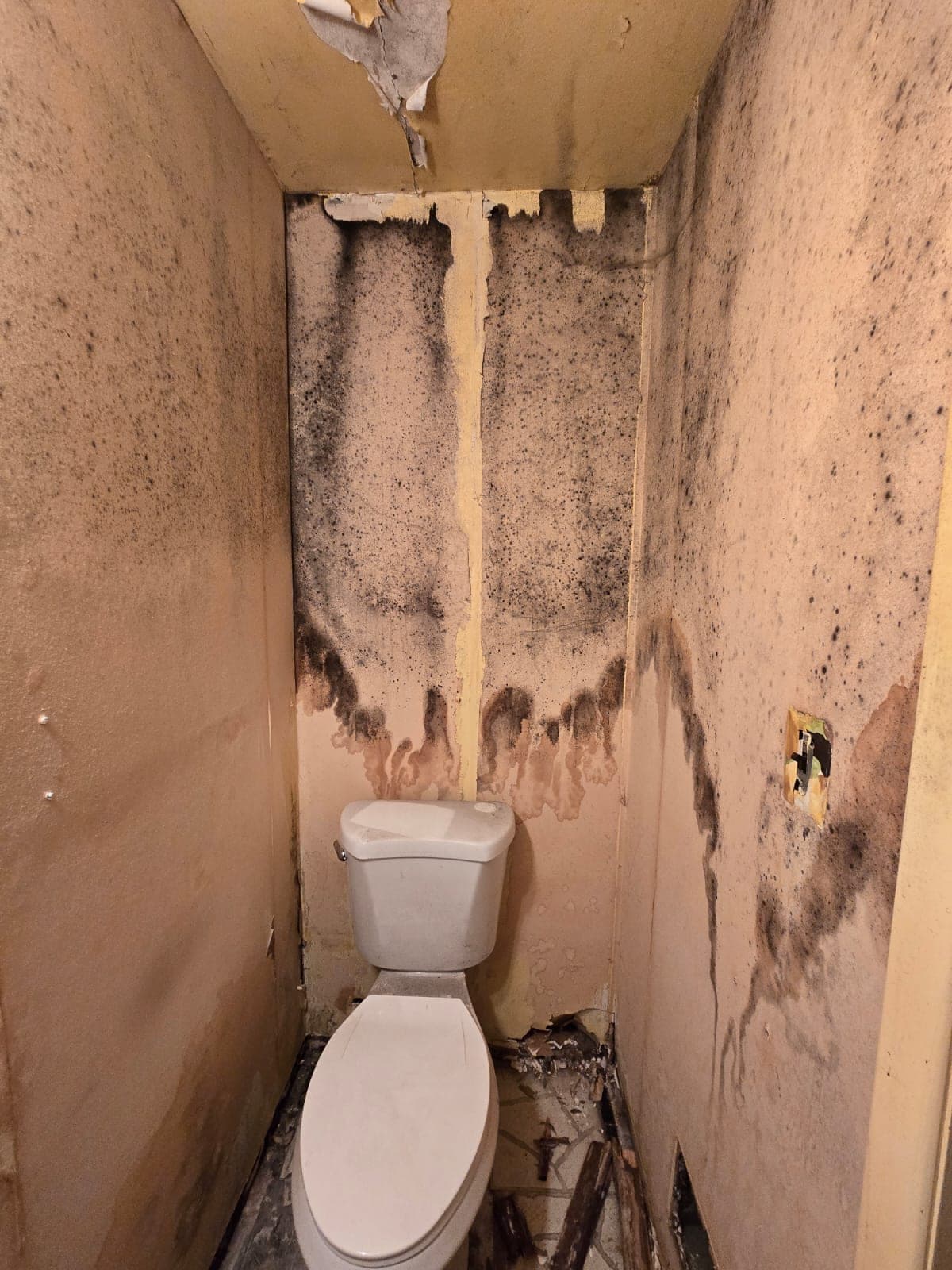
Where you smell it, when it started, what leaked and when — the history narrows the search faster than any instrument. Ten minutes of questions before the meters come out.
- 02
Map the moisture
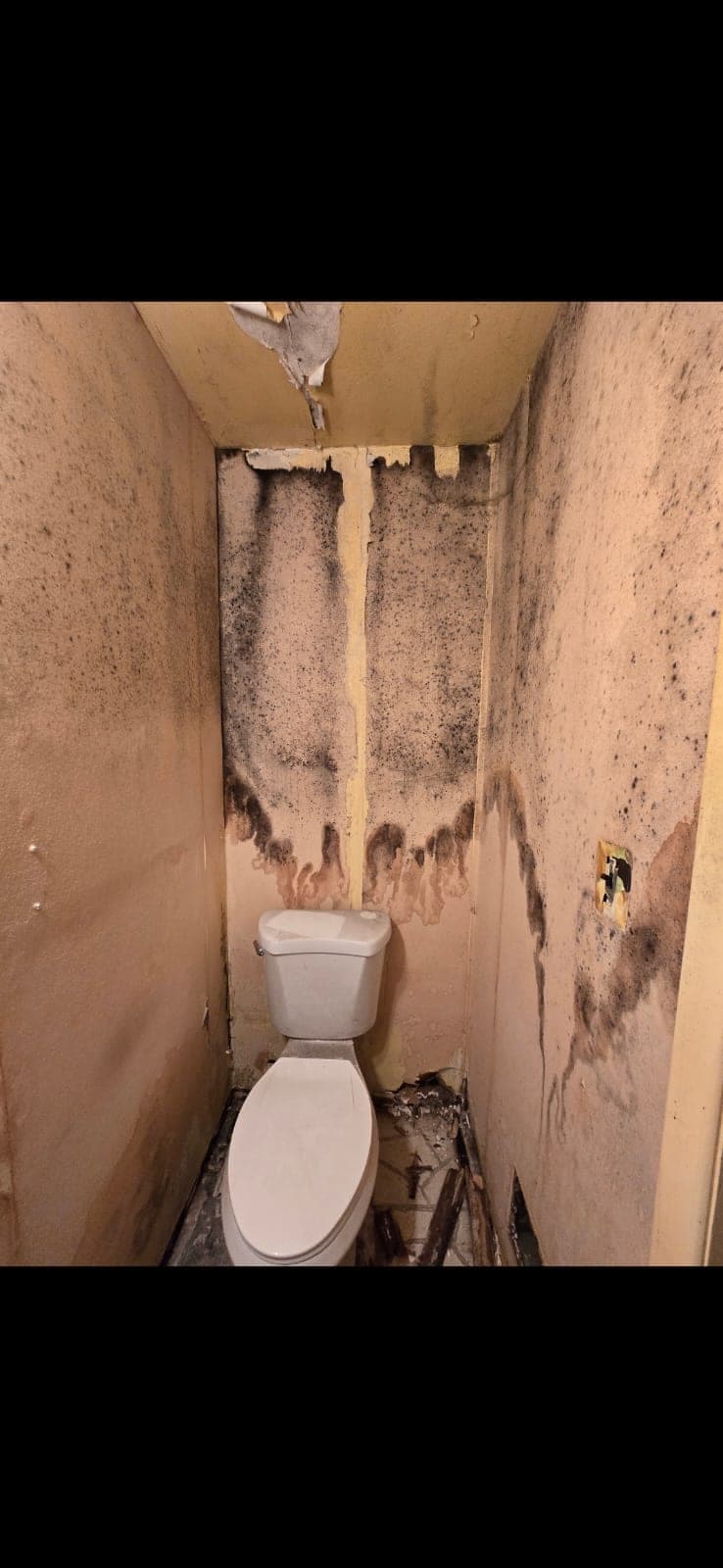
Meters and thermal imaging over the suspect areas and anywhere water could have spread. Mold grows where the moisture is, so mapping the wet areas usually locates the growth, including behind surfaces we never have to open.
- 03
Visual assessment
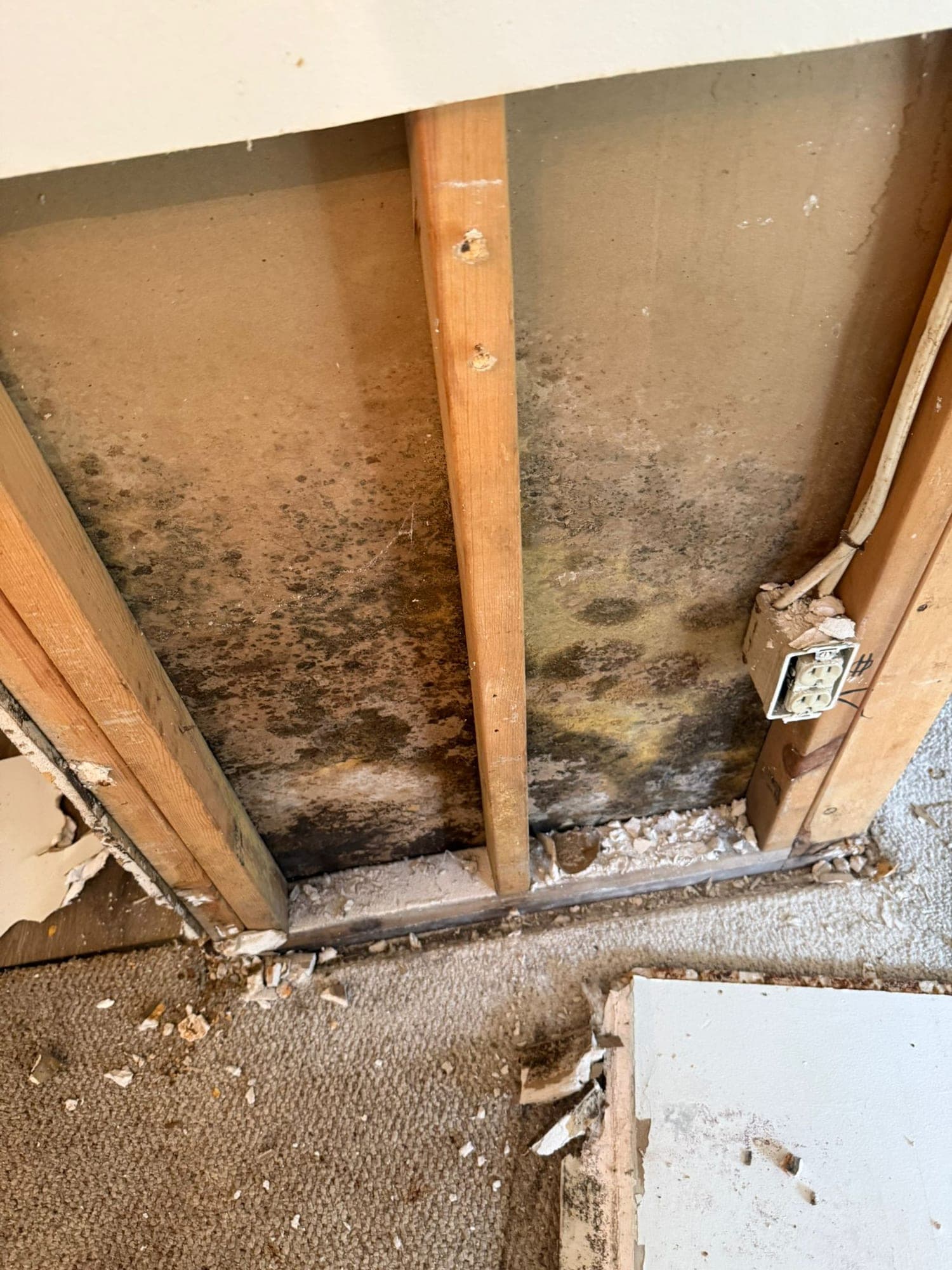
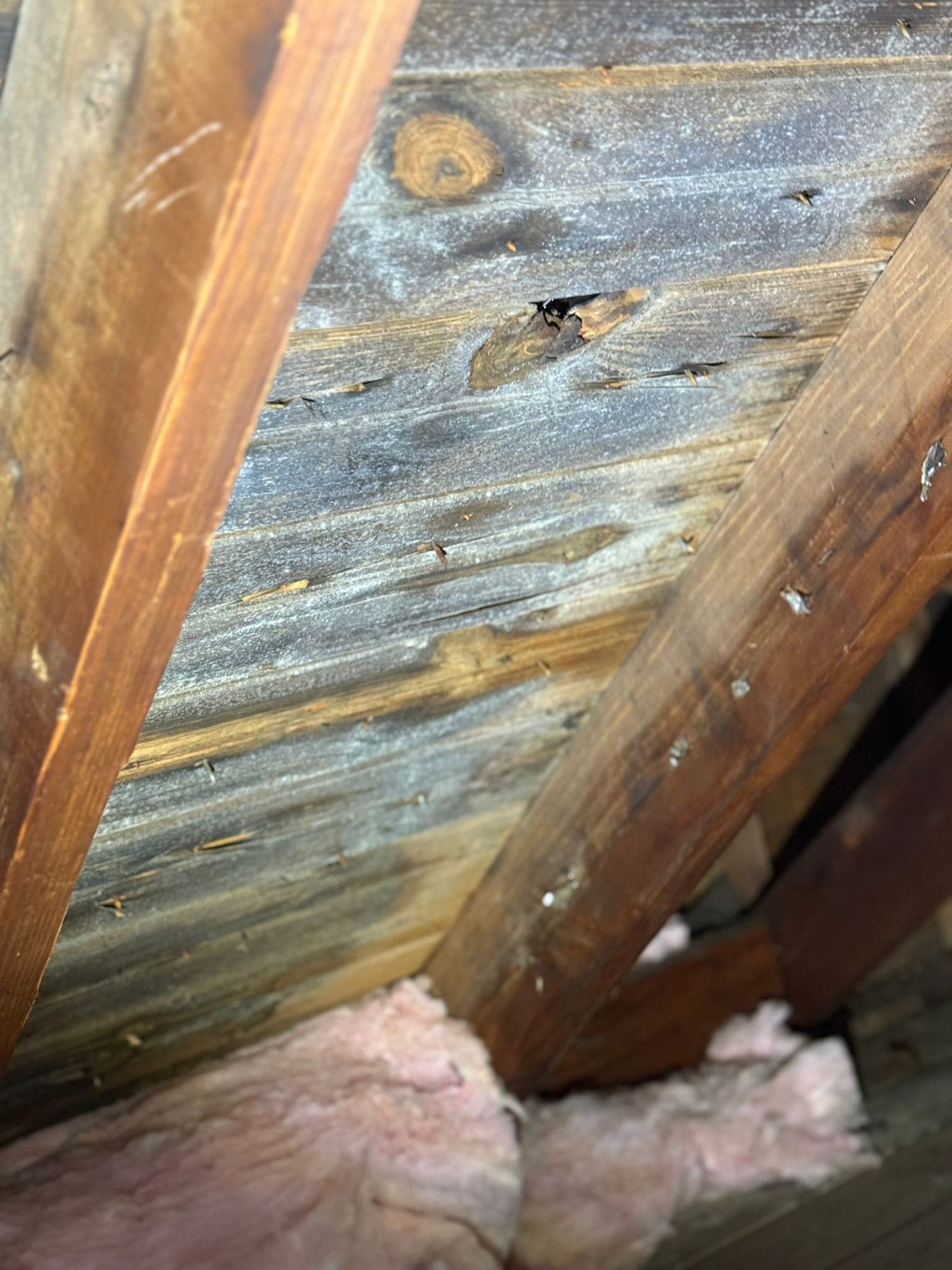
What's growing, what's just staining, and how far it extends. A lot of 'mold' calls turn out to be efflorescence, ghosting, or old water stains, and when that's the case we say so and the visit ends there.
- 04
Sample when it's warranted
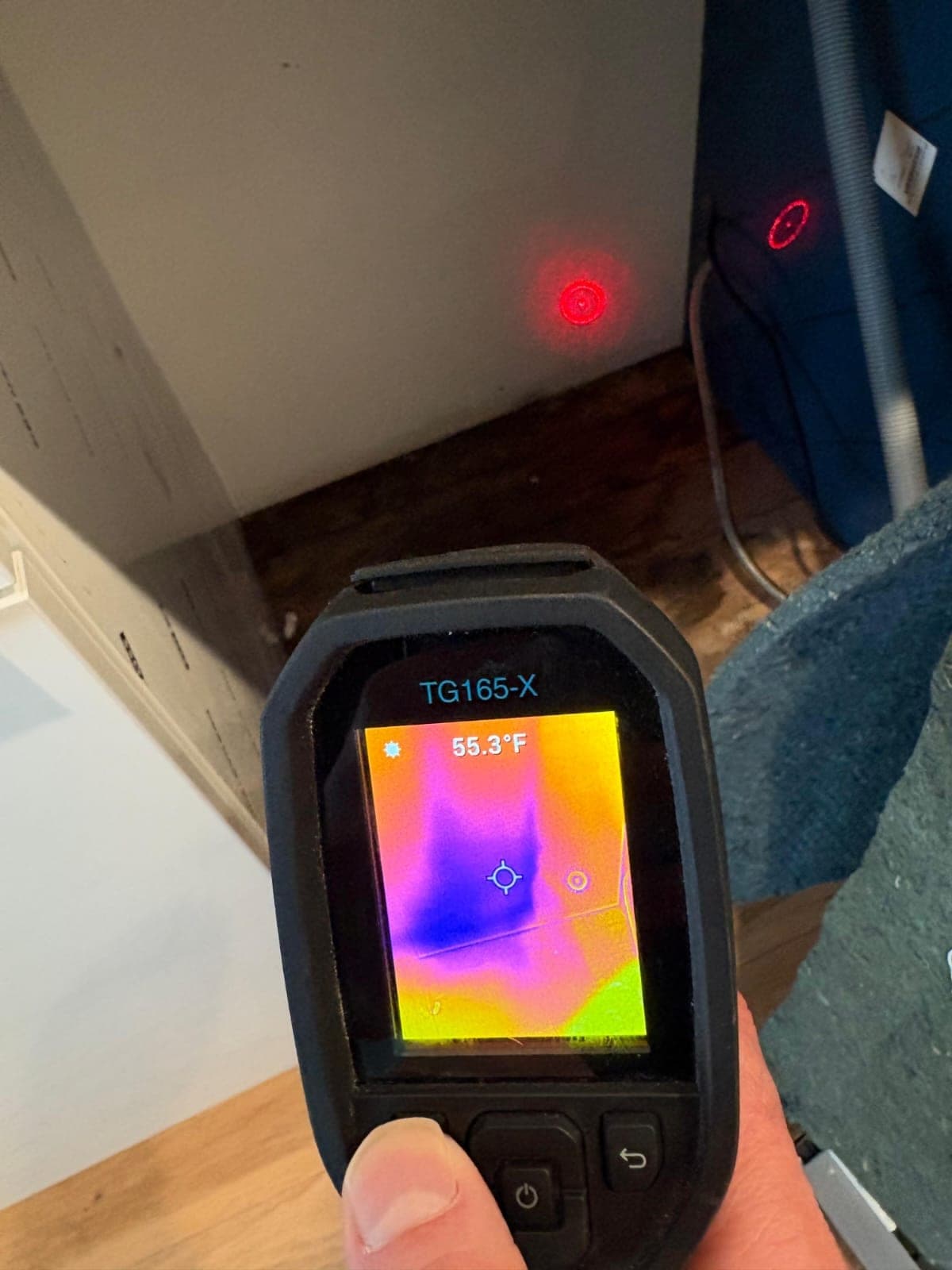
Air or surface samples go to an independent accredited lab when the result would change the plan: suspected hidden growth, air quality questions, or a sale that requires numbers. If sampling wouldn't change anything, we'll say so.
- 05
Written findings & plan
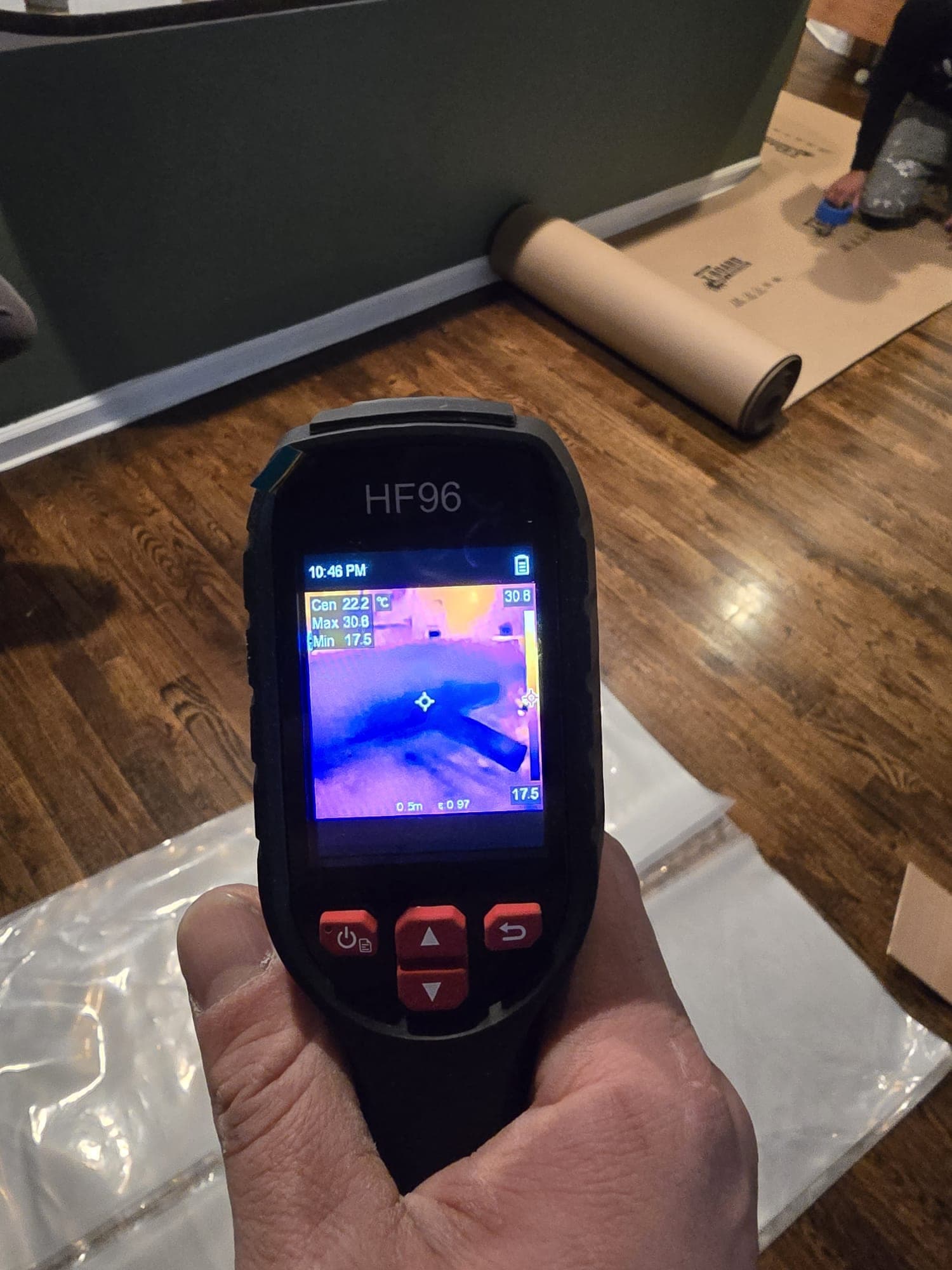
Either a clean result in writing, or a scoped remediation plan with the moisture cause named. If we do the work, you know what and why before it starts. If you want a second opinion, the report is yours to take elsewhere.
Insurance
We work with your insurance, and we bill them directly
- 01
Call us
We answer, ask what happened, and get a crew moving. Same-day emergency response on active water.
- 02
We document everything
We take moisture readings and photos and write up a scope of work before drying starts, so your adjuster has the file from day one.
- 03
We bill your insurer directly
We work directly with your insurance company on covered water and mold claims, so you're not fronting the full cost and chasing reimbursement.
Your deductible is still yours to cover, and we'll tell you that number before any work starts rather than after. You also don't need a claim to hire us. Plenty of our jobs are paid directly by the homeowner, and after the free inspection we'll say which way makes more sense for the damage you have.
Common problems
What we get called about most.
A musty smell but nothing visible
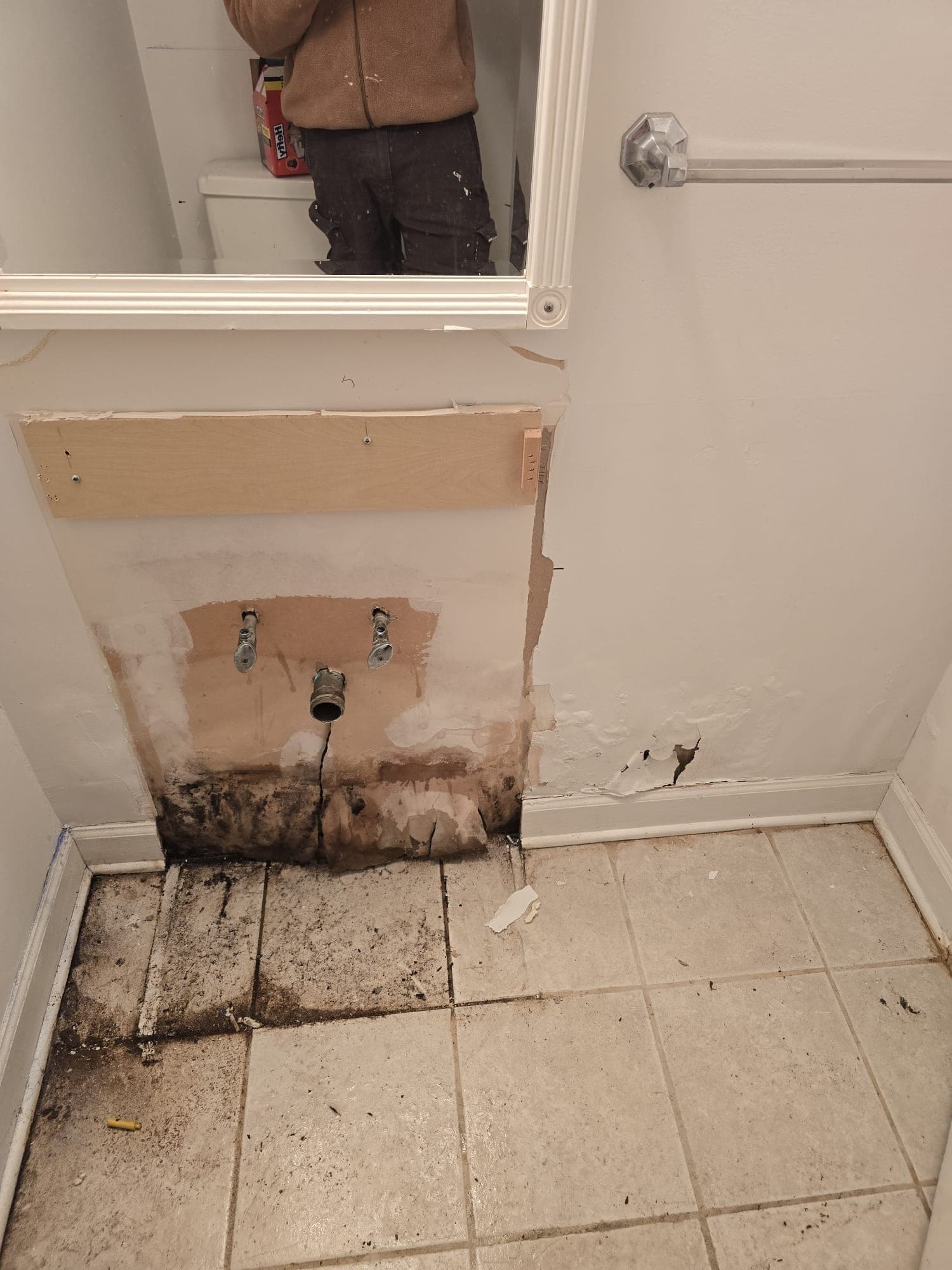
This is the hard version, because the source is behind something. The moisture map finds the wet area feeding it without tearing the house apart, and air sampling can confirm whether there's hidden growth before anyone opens a wall.
The buyer's inspector flagged 'suspected microbial growth'
Home inspectors flag conservatively because mold isn't their field. We determine what it is, how far it extends, and what fixing it involves, in writing and fast enough to keep your closing date, whichever side of the deal you're on.
Is this mold or just mildew or a stain?
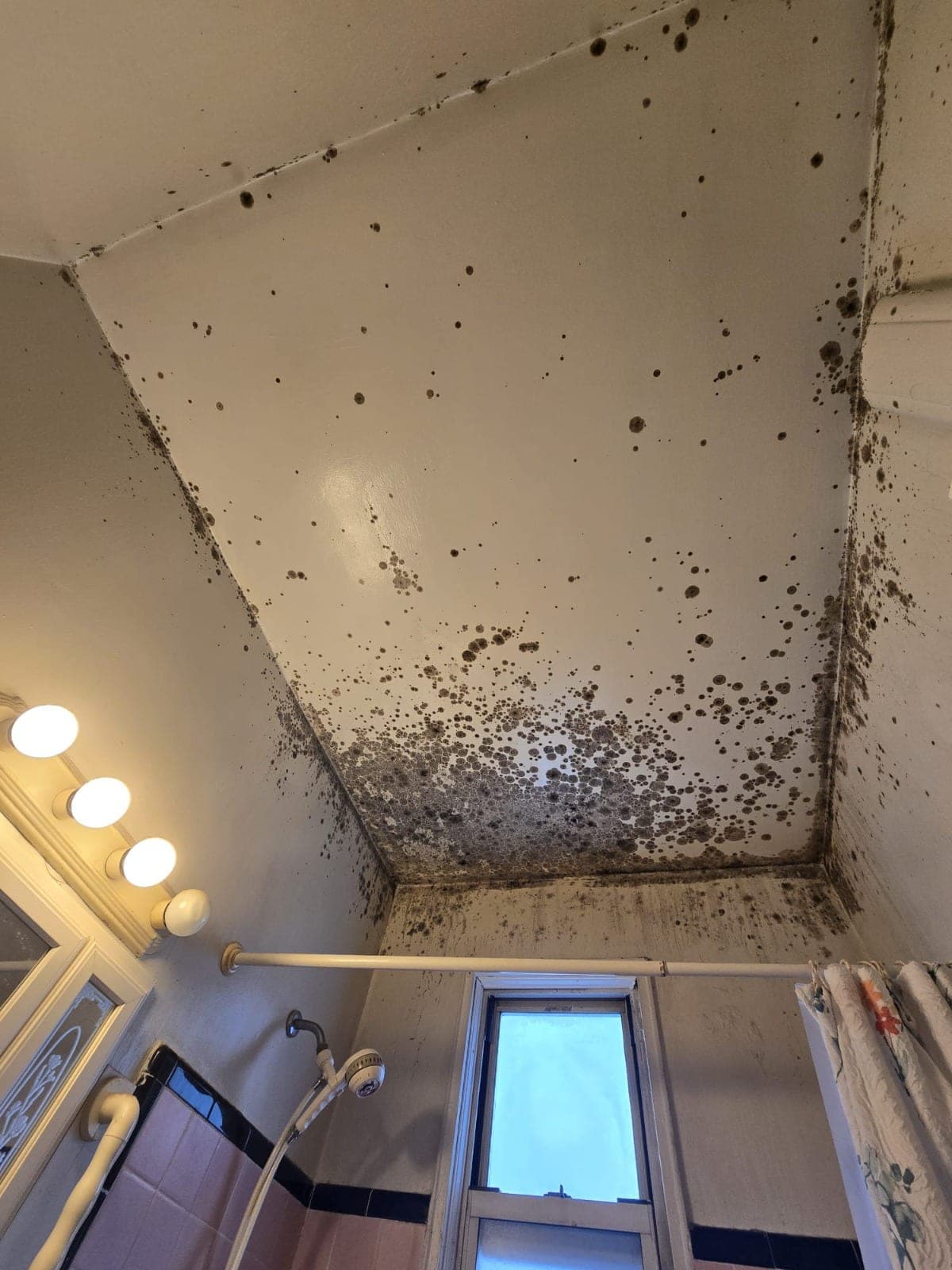
Surface mildew on a bathroom ceiling, efflorescence on block, and soot ghosting on cold walls all get mistaken for serious growth. We identify what you're looking at and match the response to it, which sometimes means telling you how to clean it yourself.
Someone quoted a huge remediation and you want a second opinion
That's worth doing. We inspect on our own, scope only what the moisture readings and visible growth support, and put it in writing. If the larger quote turns out to be right, we'll tell you that too.
Who's showing up
Local and independent since 2019.
The person on the phone is the one planning your job, and the scope and moisture readings come from the crew that does the work.
- IICRC Certified
- Licensed
- Bonded
- Insured
- Eco-Conscious Products
Related services
More of our mold services.
Part of our Mold Remediation service — see the full picture →
FAQ
Questions we get most.
How do you find moisture I can't see?
With moisture meters and thermal imaging. Water moves through drywall, along subfloor, and into wall cavities that look fine from inside the room. The meters test the materials themselves, thermal imaging shows the cool damp areas behind walls and under floors, and we dry against what those readings show. A surface that feels dry tells you very little; the reading inside the material is what decides when drying is done.
Is mold in my house dangerous?
Mold can irritate eyes, nose, and throat, trigger allergic reactions like sneezing and skin rash, and aggravate asthma in people who have it. Sensitivity varies a lot from person to person. That's the EPA's position and ours. It's worth taking seriously, but it isn't the health catastrophe some sites describe. Mold is a moisture problem in the house, and it's a fixable one.
What's the difference between mold removal and mold remediation?
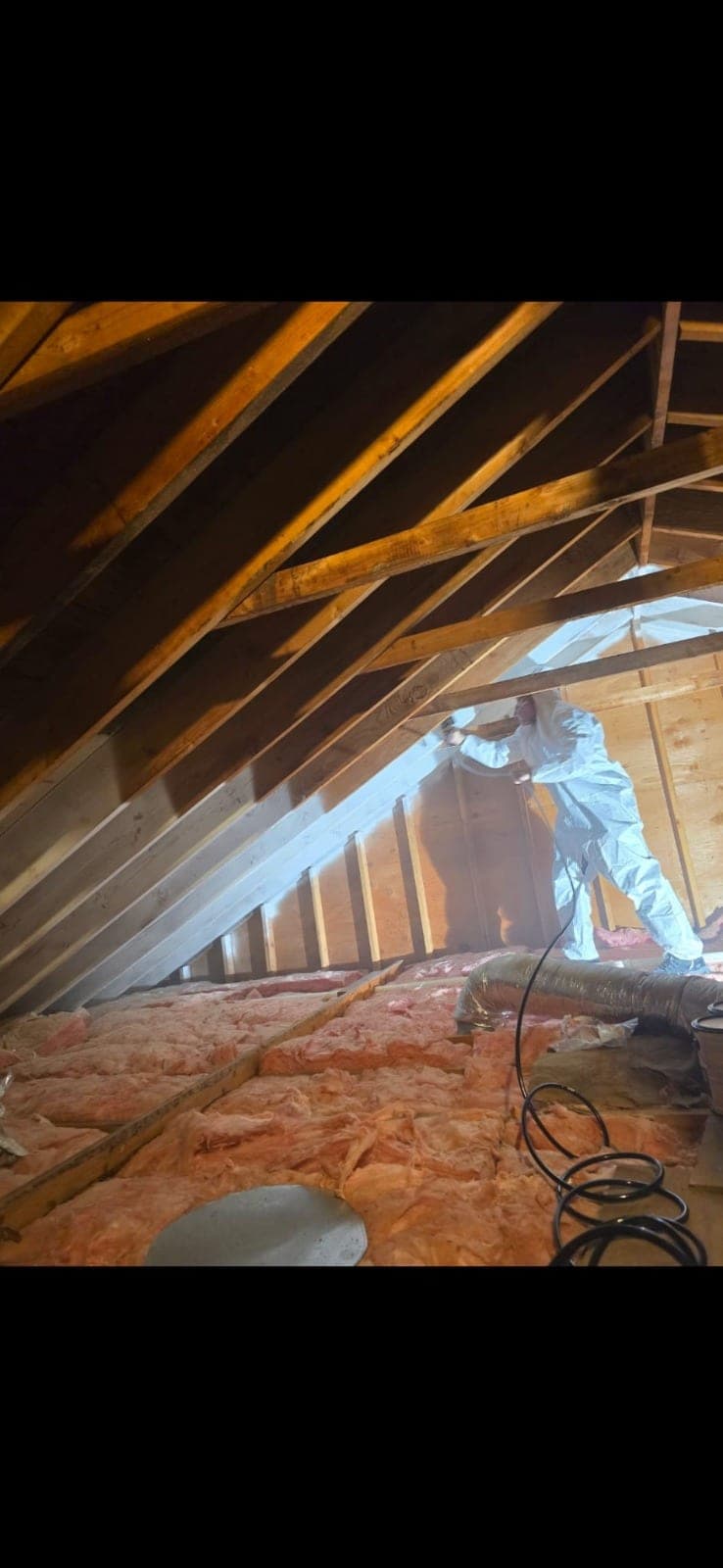
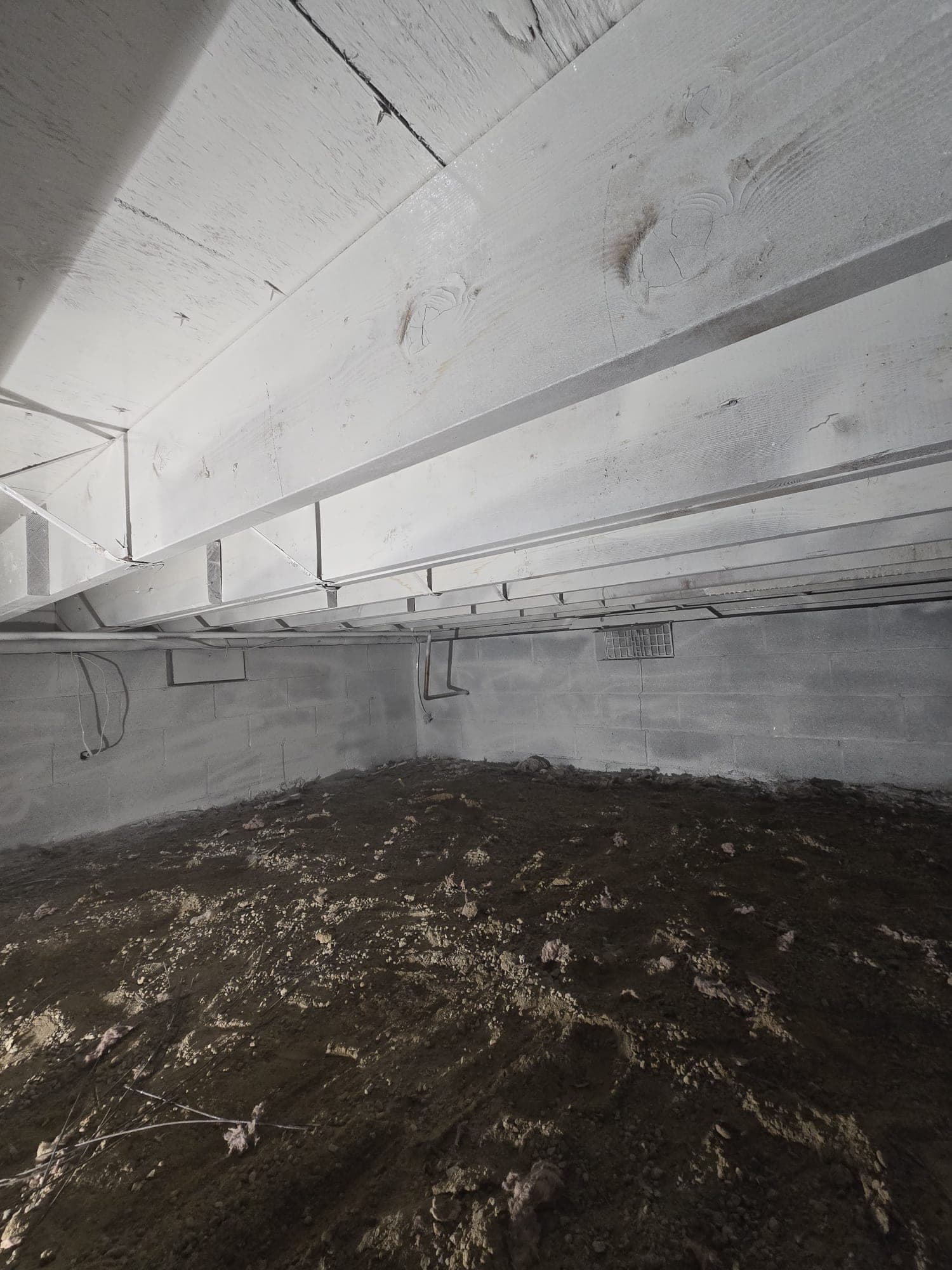
"Mold removal" is a misleading term. Spores exist naturally everywhere, indoors and out, so no company can remove all mold from a house. Remediation is the accurate word: contain the affected area, take out materials too far gone, clean what can be cleaned, filter the air, and fix the moisture problem that caused the growth. Skip that last step and the mold comes back no matter how thorough the cleanup was.
Do I need mold testing before remediation?
Usually not. EPA guidance says that if you can see or smell mold, sampling is generally unnecessary, since you already know it's there and the fix is the same regardless of species. Testing is worth paying for in three situations: verifying a completed remediation, a real-estate deal that requires clearance numbers, or a persistent musty smell with no visible growth. If yours is one of those, we'll explain why before you spend anything.
Can I clean up mold myself?
Yes, if it's small. The EPA's rule of thumb is about 10 square feet, roughly a 3-by-3 patch. Under that, a careful homeowner can handle it with gloves, an N95 mask, and detergent, as long as the moisture source gets fixed too. Call a professional when it's bigger, inside walls or the HVAC system, involved sewage, or when someone in the house has asthma or mold sensitivity. We'll tell you at the inspection if it's a DIY-sized job.
Our work
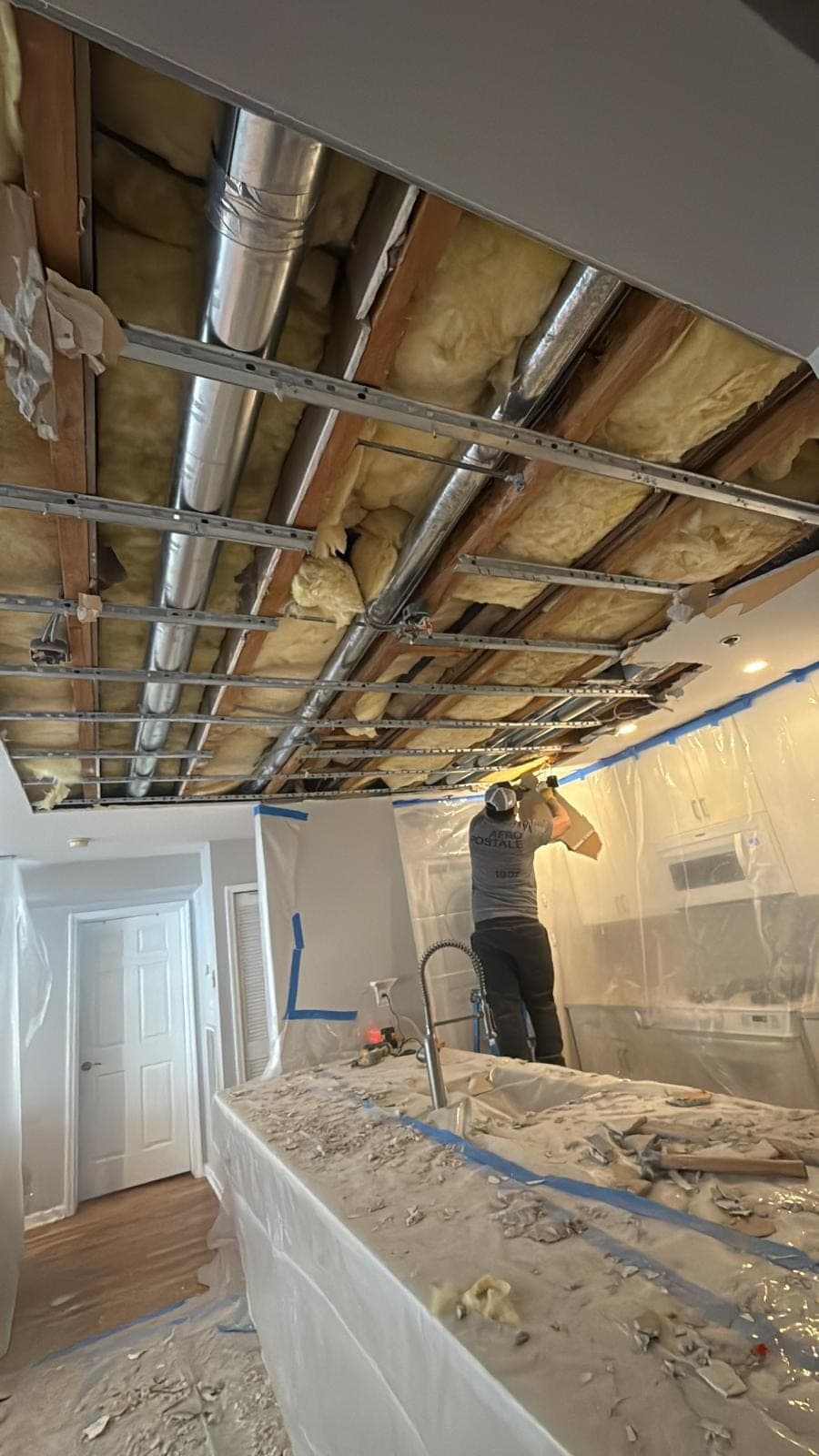
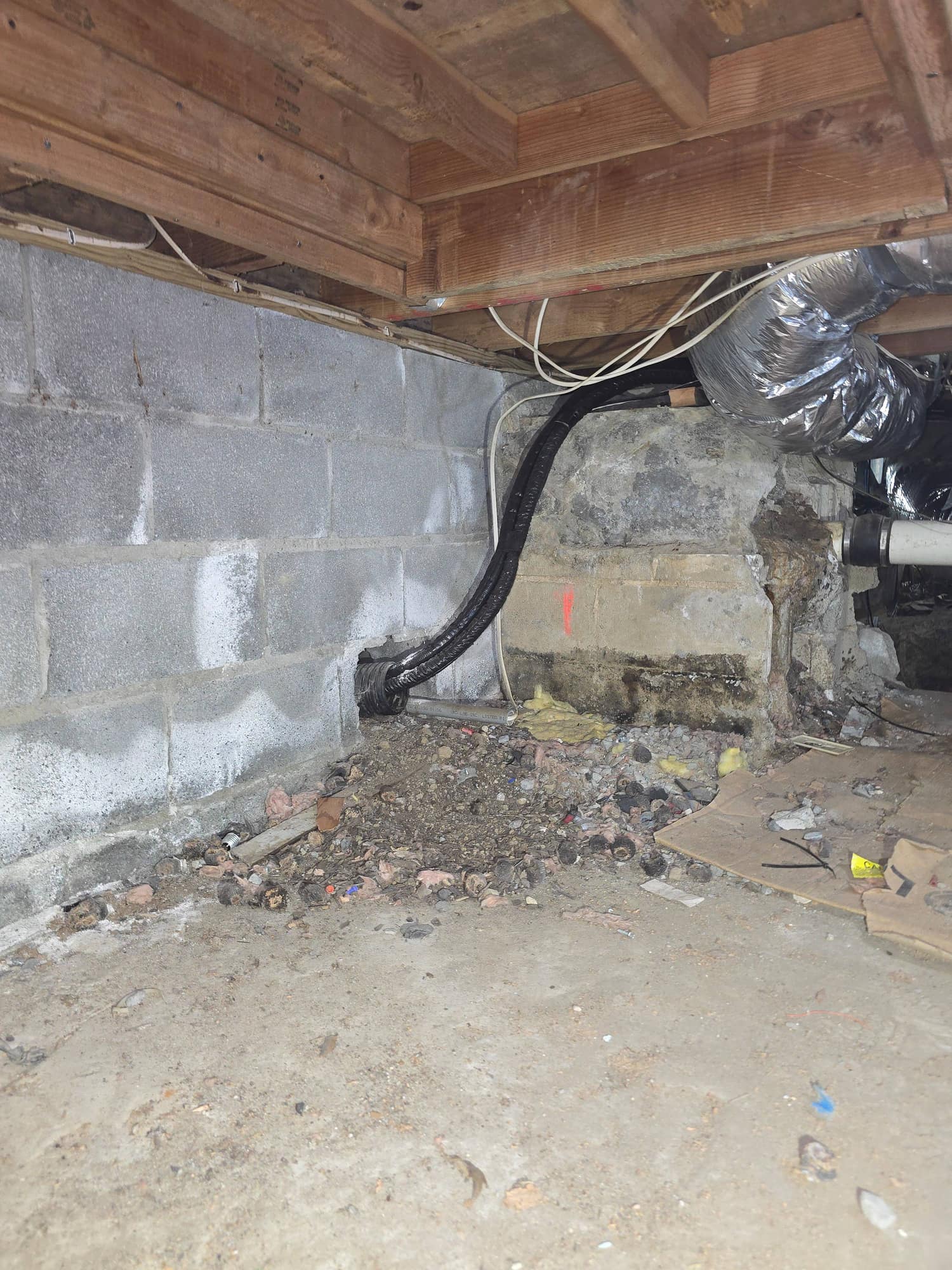
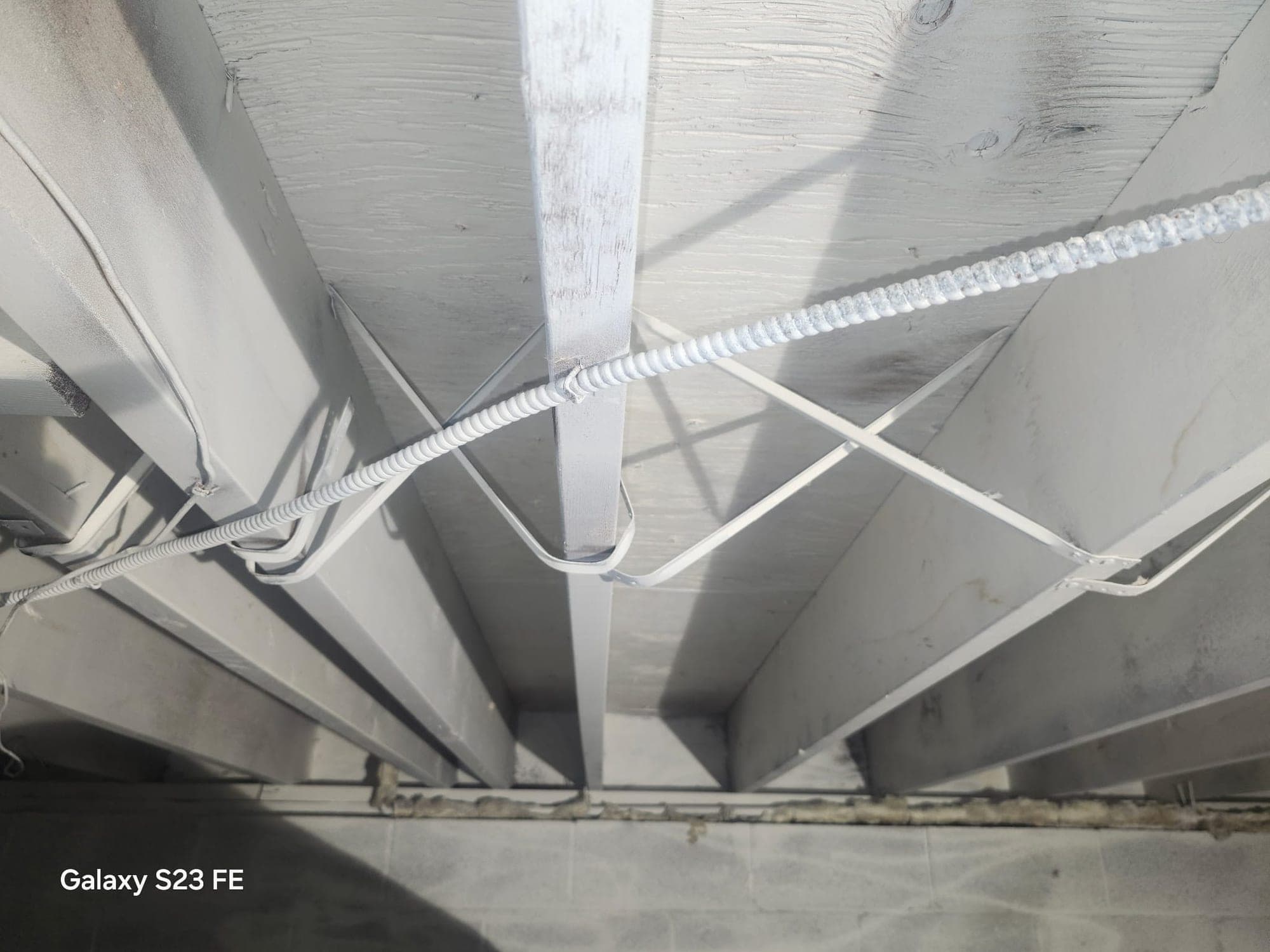
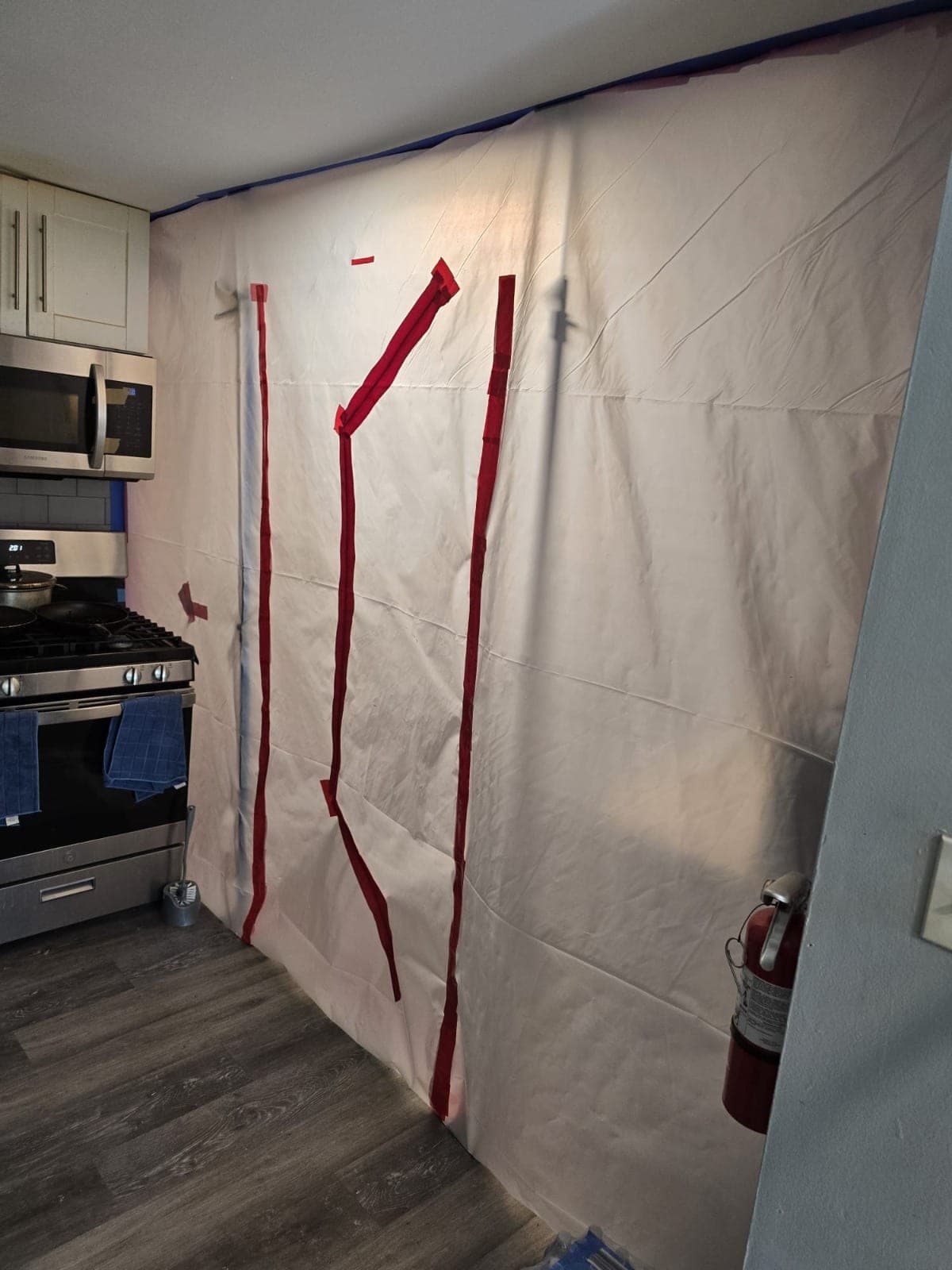
Free inspection
Start with a free inspection and a written scope.
Call or send the form. We come out, look at what you have, and put the scope in writing so you know what the work involves. If it can wait, we'll say so.
Office hours: Mon–Fri 8am–6pm · Sun 8am–6pm · Closed Saturdays.