
6 min read
Mold and your health: what the EPA and CDC say
By the Strauss Cleaners crew·Updated July 28, 2026
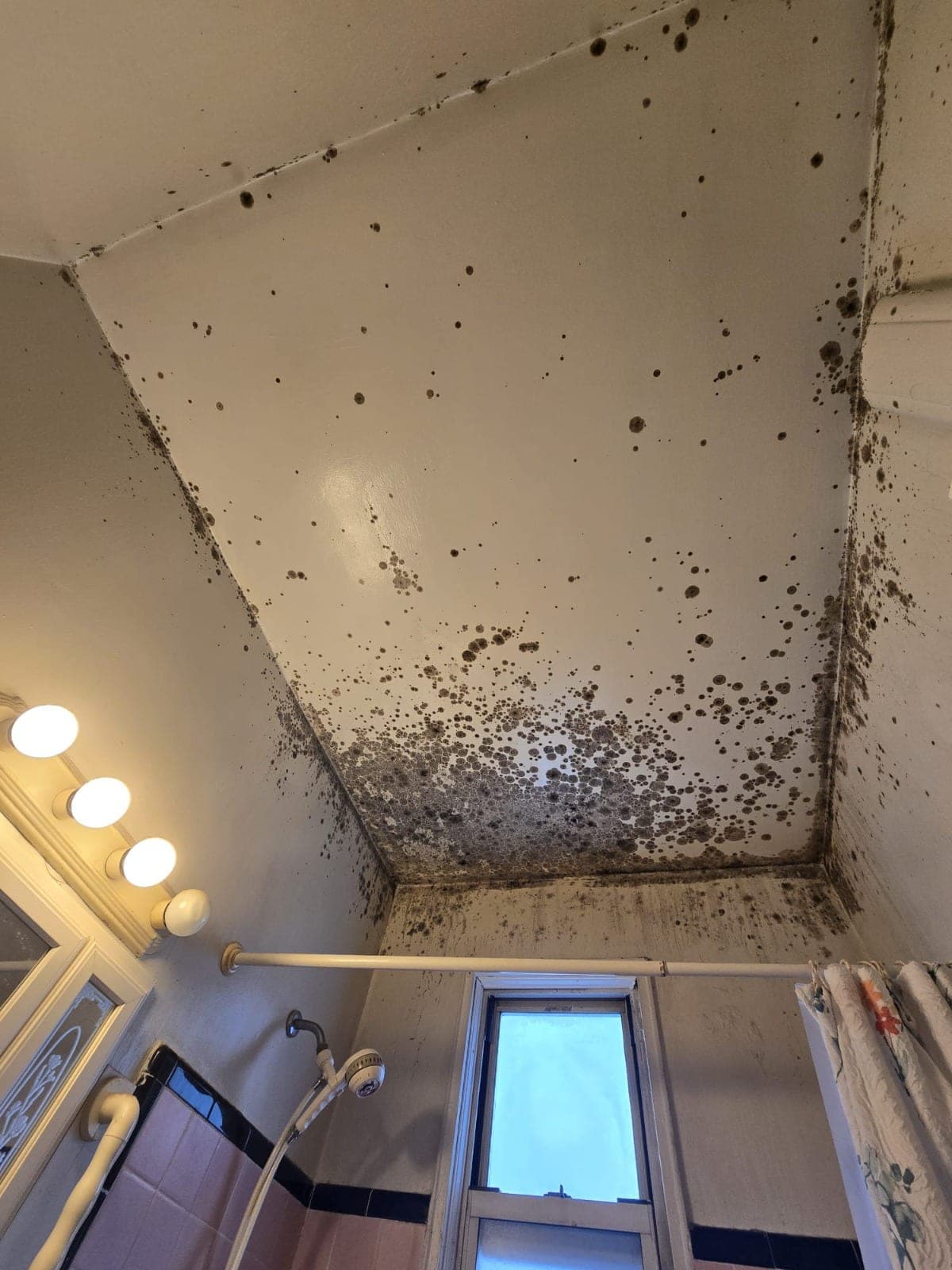
Mold gets marketed with a lot of fear. Somewhere between 'it's just a little mildew' and 'toxic black mold is poisoning your family' is what the public health agencies say, and that version is more useful than either extreme. Here's what the EPA and CDC publish, and what it means for your house.
Short answer
Mold exposure can cause irritation and allergy-type symptoms and can worsen asthma, and some people are far more sensitive than others. If you can see or smell mold, the fix is removing it and correcting the moisture; testing first usually changes nothing about what has to happen.
Why you should be skeptical of what you've read
Companies that get paid to remove mold have an incentive to make mold sound as dangerous as possible, and there are two decades of 'toxic mold' content online that runs well ahead of the evidence. The result is homeowners who panic over a bathroom ceiling, or who assume it's all hype and ignore growth inside a bedroom wall.
We stick to what the EPA and CDC publish, and we scope the work to what the moisture and the growth call for. Mold is worth taking seriously, and it's also a problem with a known fix.
What mold exposure can do
The established health effects are mostly allergy-type symptoms. Molds produce allergens and irritants, and touching or inhaling spores can cause sneezing, a runny or stuffy nose, red or itchy eyes, skin irritation, and coughing or throat irritation. For most healthy people the symptoms look like allergies and ease once the exposure ends.
The bigger effect is on people who already have asthma or mold allergies. Exposure can trigger asthma attacks and make symptoms noticeably worse. That's the consistent core of EPA and CDC guidance, and it's why growth in a bedroom matters more than the same growth in a detached garage.
Who should take it more seriously
Sensitivity varies a lot from person to person. Two people can live in the same house and only one of them has symptoms. The groups public health agencies flag: people with allergies or asthma, infants and young children, older adults, and anyone with a weakened immune system or chronic lung disease. For immunocompromised people, certain molds can cause infections that healthy people almost never get, which is why hospitals control mold so carefully.
If someone in your home is in one of those groups, act sooner rather than later. The same patch that's a weekend cleanup in one house is worth a phone call in another.
What the science doesn't say
There is no established 'safe' or 'unsafe' airborne mold level, and no federal health-based standard exists, which is one reason air test numbers are hard to interpret. Color tells you almost nothing either. 'Black mold' is a description, not a diagnosis, and plenty of harmless molds are black while some problematic ones aren't.
The claim that household mold causes severe disease in otherwise healthy people isn't supported by the public health consensus, and the CDC's position is that links between mold and rare severe outcomes haven't been proven. Nobody should be diagnosing your family's health from a stain on the wall.
If you can smell it, that counts
A persistent musty odor is evidence of microbial growth even when nothing is visible. Mold in a wall cavity, under flooring, or in a crawl space nobody enters is usually detectable by smell before it's visible. Don't let 'I can't see anything' end the investigation. The smell means there's moisture somewhere, and a mold inspection can usually locate it without opening up the whole house.
Test first, or just fix it?
Per CDC guidance: if you can see or smell mold, you generally don't need to test it. Sampling won't change what has to be done. Visible growth has to come out and its moisture source has to be fixed whatever species it turns out to be, and since no health-based exposure standards exist, a lab number can't tell you 'safe' or 'unsafe' anyway.
Testing is worth paying for in a few situations: hidden growth you suspect but can't find, a real-estate transaction that demands documented numbers, or post-remediation verification by an independent party. Otherwise we'll tell you to keep the money. Once growth is confirmed, mold remediation under containment, with the moisture source fixed, is what changes the air in the house.
The fix is always moisture
Mold grows because something is wet: a leak, condensation on a cold wall, a bathroom fan venting into the attic, ground moisture in a crawl space. Fix the moisture and the growth has nothing to live on. Skip it and the mold comes back. That's why every mold job we scope starts by finding the water, and why our written scope names the moisture source and not just the growth.
The most common cause we find is ordinary water damage that never dried all the way: a burst pipe handled with a mop and a weekend of box fans, or a basement that seemed fine after the shop vac. The musty smell starts weeks later. That's why water jobs end with structural drying verified by moisture meters, and why a new musty smell after a recent leak is worth checking.
If you're looking at a suspicious patch right now, start with our guide on mold vs. mildew to see whether it's a DIY job, or have us come look. The inspection is free, and 'this is minor, here's how to clean it' is a common answer.
Related service
Mold Remediationin the Hudson Valley & North Jersey →Mold remediation built on IICRC S520 practice: sealed containment, HEPA-filtered negative air, physical removal of affected materials, and the moisture fix that keeps mold from coming back.
Mold in your town
Not sure what you're looking at?
The inspection is free. We bill insurers directly on covered claims, and you don't need a claim to hire us.