
7 min read
Water damage insurance claims: a step-by-step homeowner walkthrough
By the Strauss Cleaners crew·Updated July 28, 2026
Most people file their first water damage claim while the floor is still wet. The process isn't complicated, but what you do in the first few hours matters: adjusters pay for what's documented, and coverage often turns on details you can photograph right now, before anything gets cleaned up. This is the same walkthrough we give customers across the Hudson Valley and North Jersey.
Short answer
Stop the water, photograph everything before you clean anything, and call your insurer the same day. Sudden, accidental damage is usually covered; gradual leaks and rising floodwater usually aren't. Your deductible comes off the payout, and a restoration company that bills the carrier directly handles most of the paperwork.
Step one: stop the loss
Before any claim talk, stop the water. Close the main shut-off for a burst pipe, kill the valve behind a failed appliance, and get standing water moving out. This isn't just common sense. Nearly every homeowners policy requires you to take reasonable steps to prevent further damage after a loss, and waiting three days can turn a covered claim into an argument about which part of the damage you could have prevented.
Stopping the loss does not mean finishing the cleanup yourself. It means shutting off the source, moving what you can, and getting extraction started. If water is on the floor right now, our emergency line answers 8am to 6pm, Sunday through Friday, and emergency water removal usually starts the same day. You can open the claim while that happens.
Step two: document everything before you clean anything
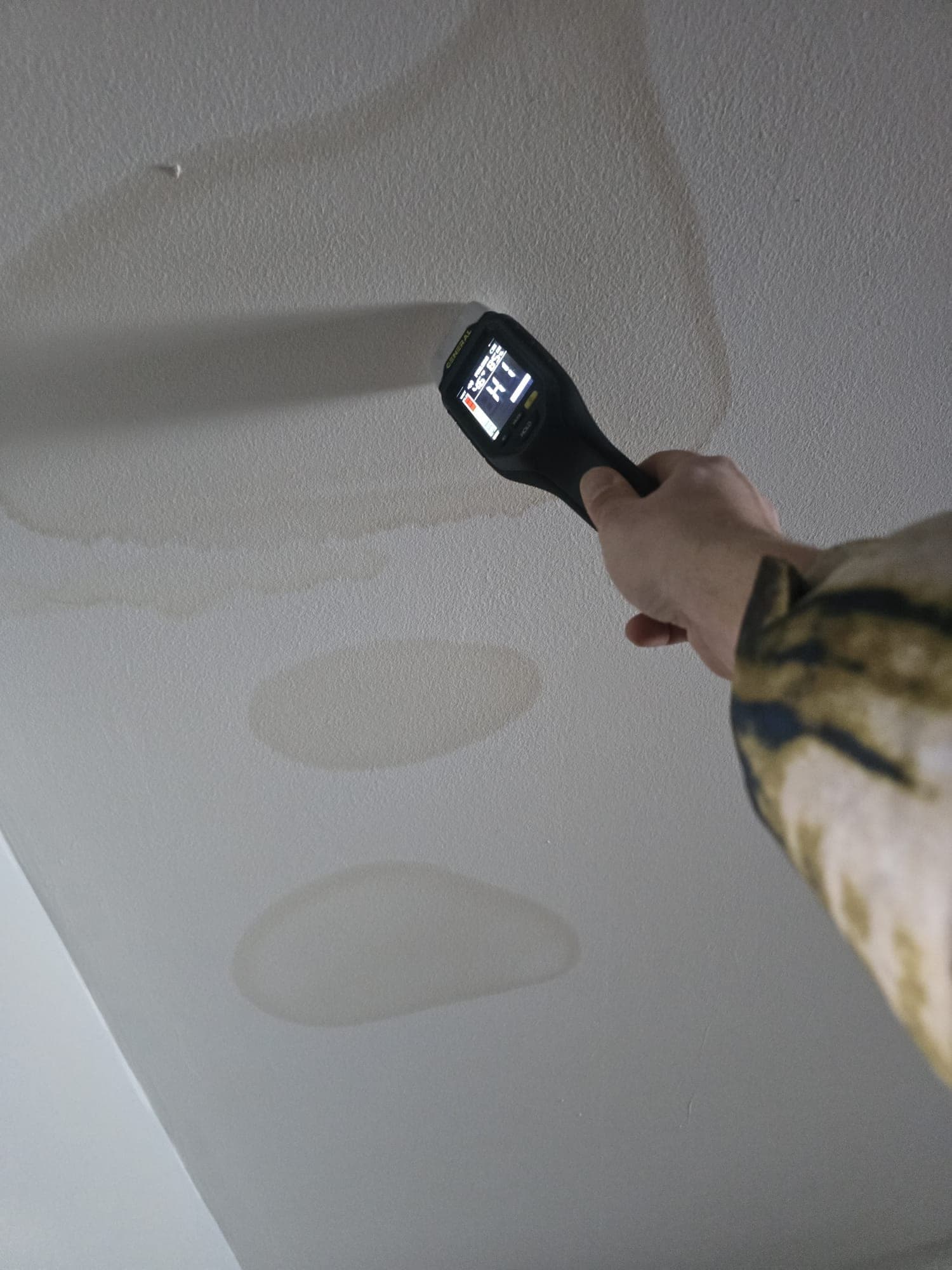
Adjusters pay for what's documented, and the evidence is best in the first hour, before the water line dries and before wet materials go out to the curb. Take more photos than seems necessary. It costs nothing to have too many, and a photo you didn't take is hard to go back for.
- Wide shots of every affected room, from the doorway, before anything moves.
- Close-ups of the source: the split pipe, the failed hose, the rusted tank seam.
- The water line on walls and furniture, with something for scale if you can.
- Damaged contents where they sit, plus model and serial numbers on ruined appliances and electronics.
- Anything you throw away: photograph it first, and keep a cut sample of carpet and pad if flooring is being removed.
- Receipts for anything you have to buy because of the loss: fans, a wet vac, a hotel night if the house isn't livable.
Sudden vs. gradual: the line that decides most claims
Homeowners policies are built around one distinction. Sudden and accidental damage is generally covered: the pipe that burst, the washing machine hose that let go, the water heater that failed. Gradual damage generally is not. A supply line that seeped inside a wall for months, or a roof that leaked through three storm seasons, gets treated as a maintenance issue rather than an accident.
This is where the photos matter. A pipe that froze and split Sunday night looks very different to an adjuster than staining with years of mineral tracks around it, and we've seen sudden losses questioned because the cleanup erased the evidence. When we inspect, we photograph and log what the damage shows, and that record goes in your file.
Flood is a different policy entirely
Water that rises into the house from outside, whether it's storm surge, an overflowing creek, or runoff pushing through basement windows, is flood damage, and standard homeowners policies exclude it. Flood coverage is a separate policy, usually through the National Flood Insurance Program. A lot of homeowners don't find that out until they file.
Where the water came from decides which policy applies, and that evidence is gone once cleanup starts. Photograph the entry point and the water line before anything else. If storm water came in, our storm damage cleanup crew documents how it entered as part of the job.
Opening the claim and meeting the adjuster
Call your carrier's claim line or file through their app as soon as the emergency is under control, ideally the same day. You'll get a claim number, and for anything significant an adjuster will be assigned to inspect. Don't pause mitigation while you wait. Carriers expect drying to start promptly, and no adjuster will ask you to leave a house wet until their appointment.
When the adjuster comes, hand them the whole file: photos, the mitigation company's moisture readings and drying log, the itemized list of removed materials. A claim with that paperwork usually settles on the documents. Without it, you're negotiating from memory.
Know your deductible before you file
Your deductible is the part of the loss you pay no matter what; it comes off the top of whatever the carrier approves. Check your declarations page for the number. A lot of homeowners haven't looked at it since they bought the policy.
That number should shape the decision. If the total damage is close to your deductible, filing gains you little and puts a claim on your record. When a job is small enough that a claim doesn't make sense, we say so at the inspection.
How direct billing works
On covered water and mold losses, we bill your insurance carrier directly. We scope the job in the format adjusters work in, send our photos, moisture logs, and itemized materials straight to the carrier, and handle the back-and-forth when they question a line item. You pay your deductible and we settle the rest with the carrier.
Direct billing doesn't change what your policy covers. It changes who does the paperwork. You also don't need a claim to hire us: plenty of our residential jobs are paid directly by the homeowner, and after the free inspection we'll say which way makes more sense for the damage you have. There's more detail on our insurance claims page.
The short version
Stop the water, photograph everything, and open the claim the same day. If you want a second opinion before you file, our water damage restoration service starts with a free inspection and a written scope, and we'll tell you whether a claim is worth filing at all.
Related service
Water Damage Restorationin the Hudson Valley & North Jersey →Full-service water damage restoration: emergency water removal, mitigation and structural drying verified with moisture meters, cleanup, and complete build-back. IICRC-certified, same-day response, and we bill your insurance directly.
Water Damage in your town
Not sure what you're looking at?
Same-day emergency response for active water, Sundays included.