
How we work
The whole job, step by step.
We do two kinds of work: water and mold emergencies, and scheduled cleaning jobs. This page walks through both of them, from the first phone call to the last walk-through.
Same-Day Emergency Response. Closed Saturdays for Shabbat.
Same-day emergency response
Response promise
8 counties
NY & NJ service area
Since 2019
Locally owned & operated
IICRC Certified
Certification
Water & mold jobs
How a water or mold job runs.
These six steps are the same on every water and mold job, whether it's a burst pipe or a crawl space that has been damp for months. The photos below are from our own jobs.
- 01
You call and a person answers
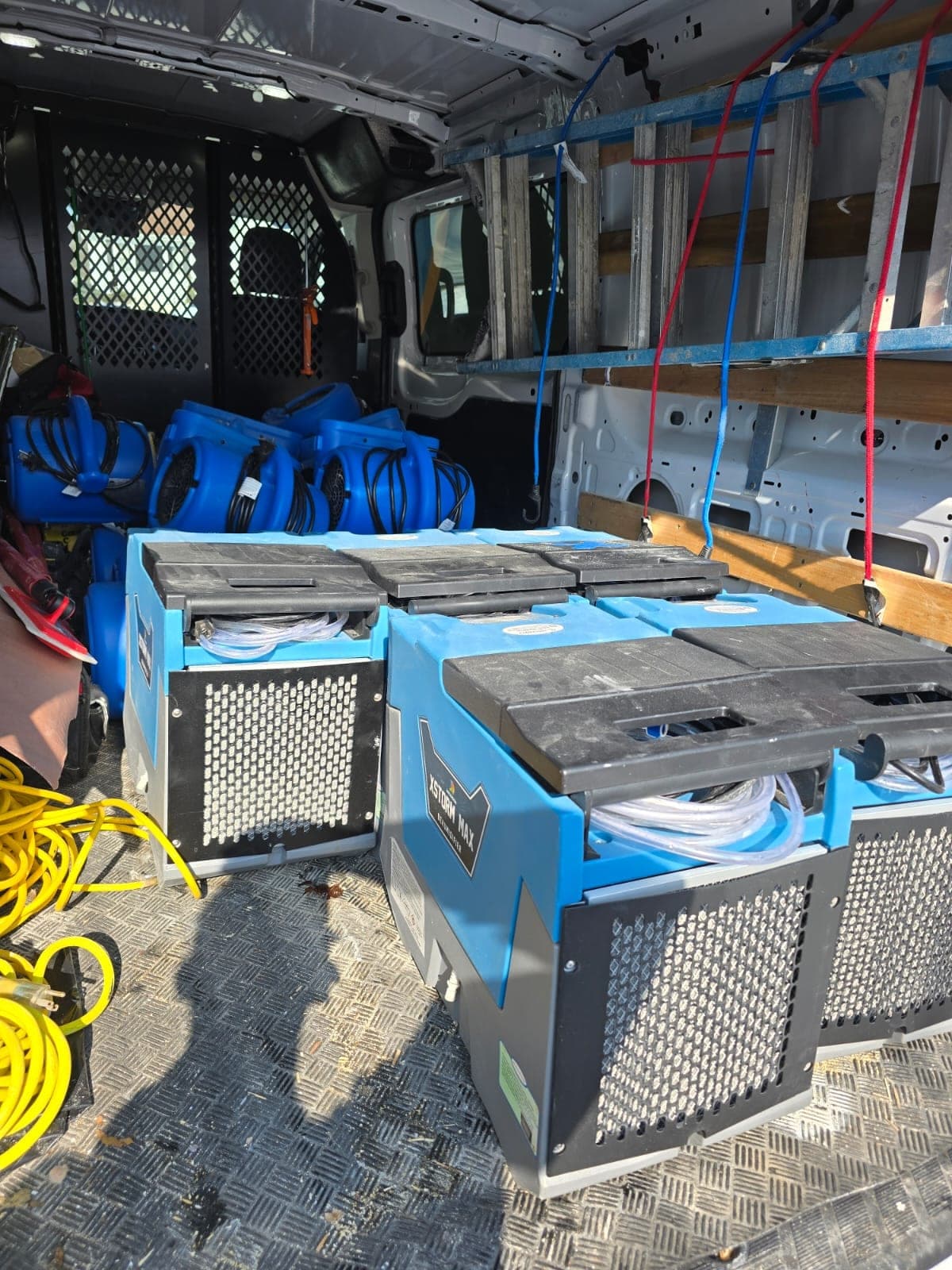
The emergency line is answered six days a week, by us and not an answering service. We ask what happened, walk you through shutting off the water, and give you an arrival window you can plan around. Same-day response is what we promise.
- 02
Same-day inspection & moisture mapping
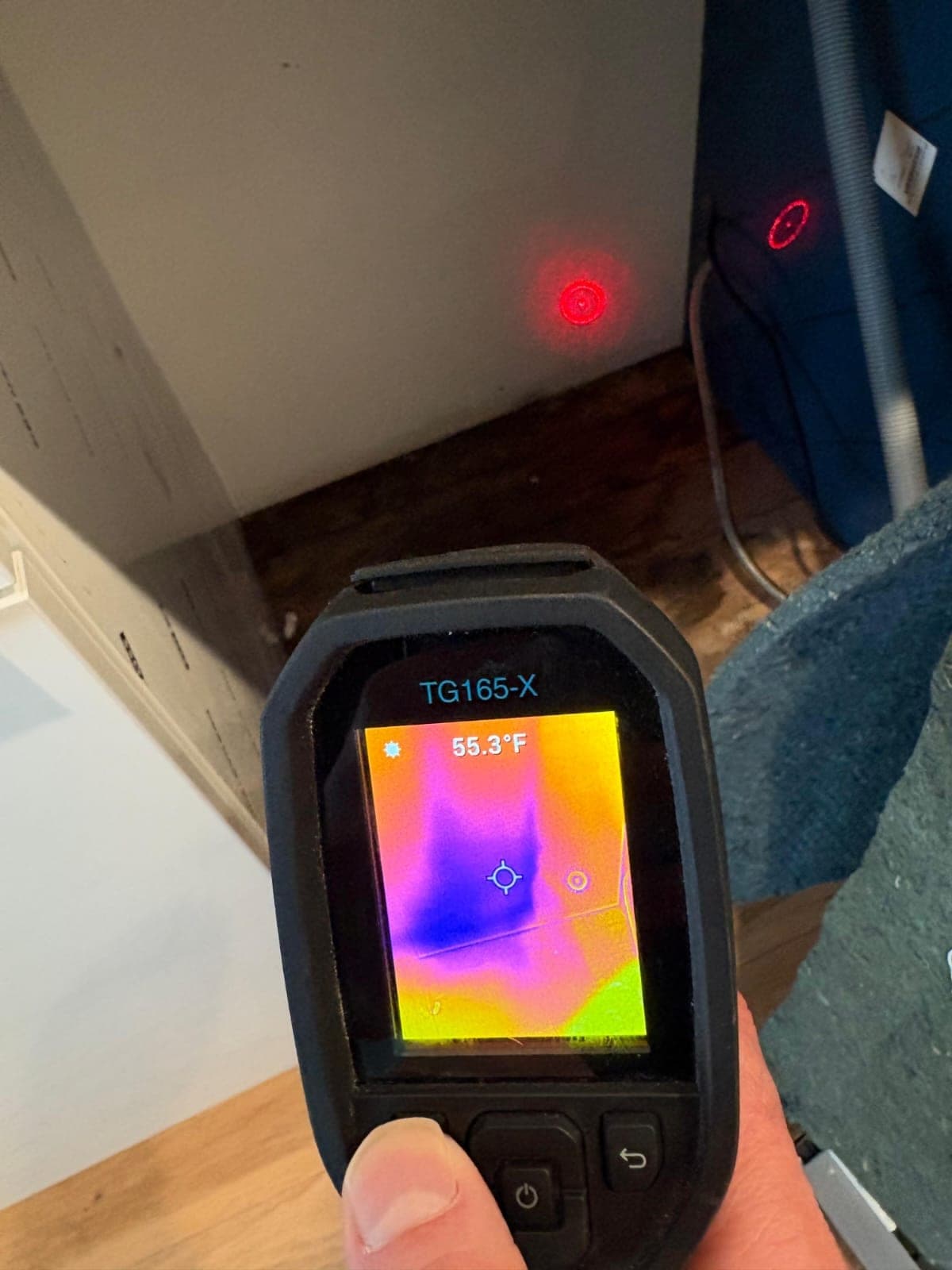
Moisture meters and a thermal camera show us how much got wet, including under the flooring, behind the baseboards, and up inside the drywall. The inspection is free, and by the end of it you know what's wet, what can be saved, and what has to come out.
- 03
Written scope & insurance documentation
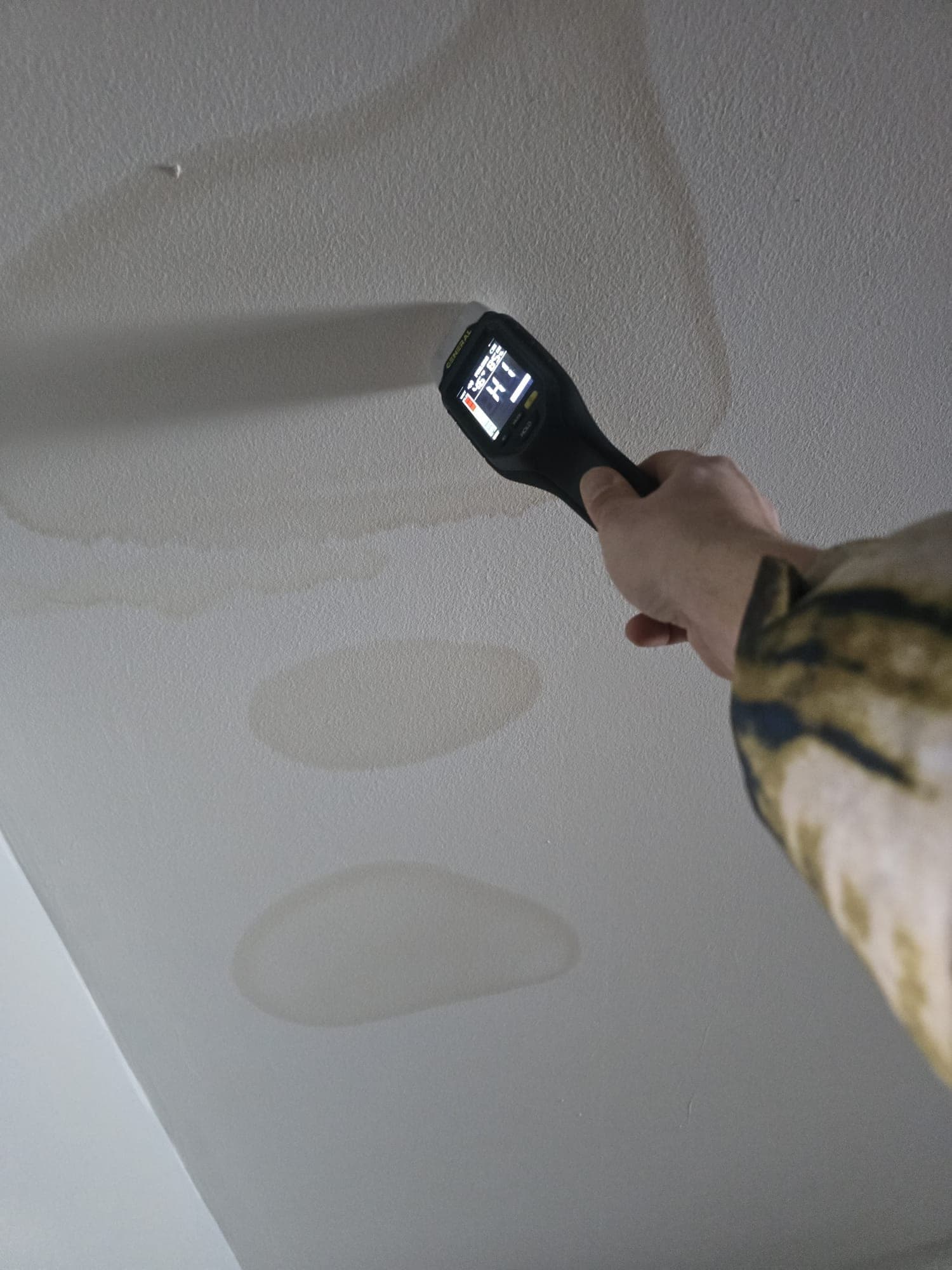
Everything gets photographed before we touch it, and you get a written scope of the work. On covered water and mold claims we document it to the adjuster's standard and bill your carrier directly. You don't need a claim to hire us. Plenty of jobs are paid by the homeowner.
- 04
Containment & mitigation
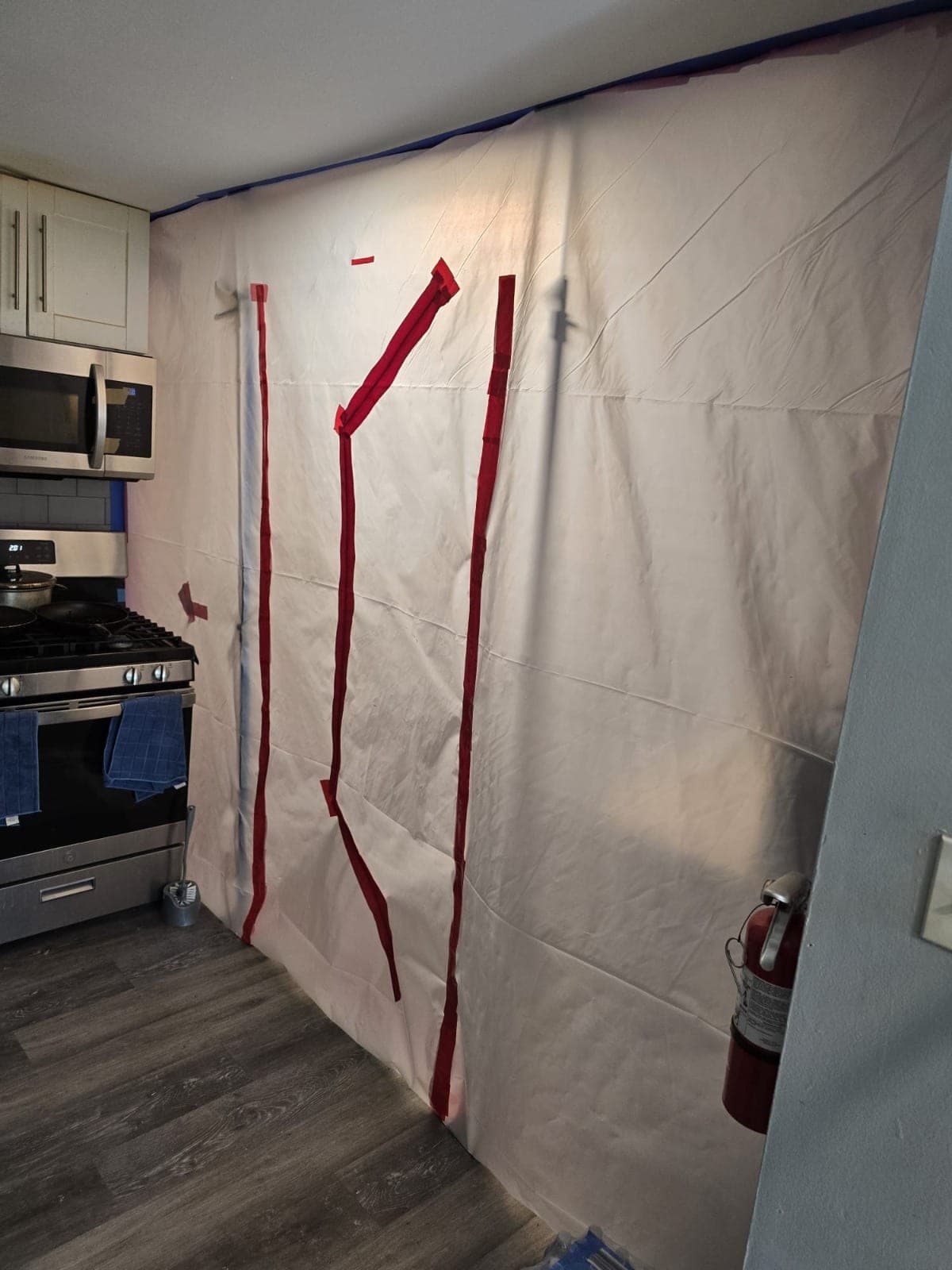
Poly sheeting and HEPA-filtered negative air keep the work zone sealed off from the rest of the house. We extract the standing water, then pull out what can't be saved: soaked carpet pad, wet insulation, drywall with growth on it. Everything removed gets itemized.
- 05
Drying, monitored daily
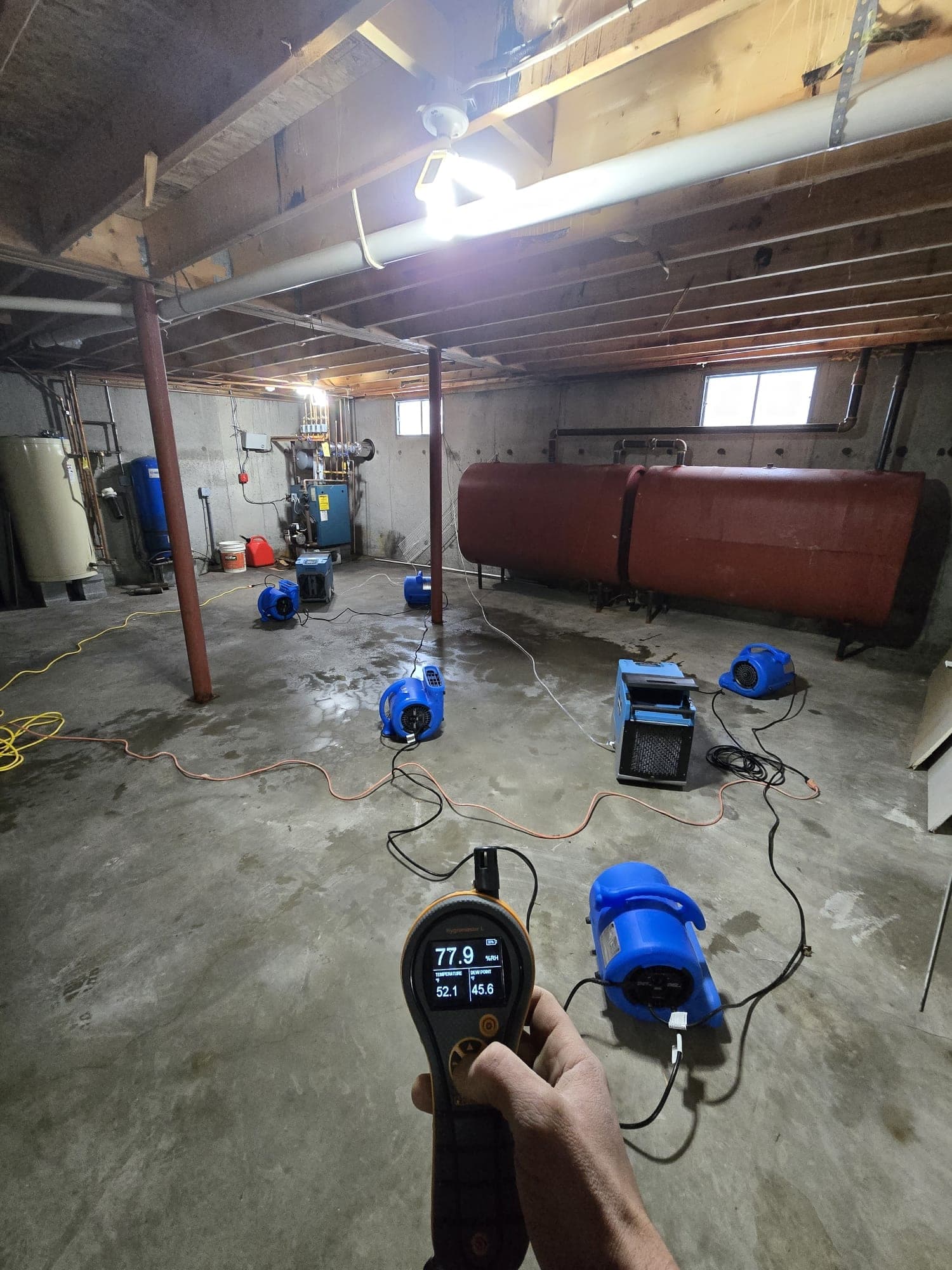
We set commercial dehumidifiers and air movers based on the readings rather than habit. We come back daily, log the moisture levels, and move equipment as materials dry out. You get a copy of the log, which is what your adjuster will want to see.
- 06
Verification & rebuild
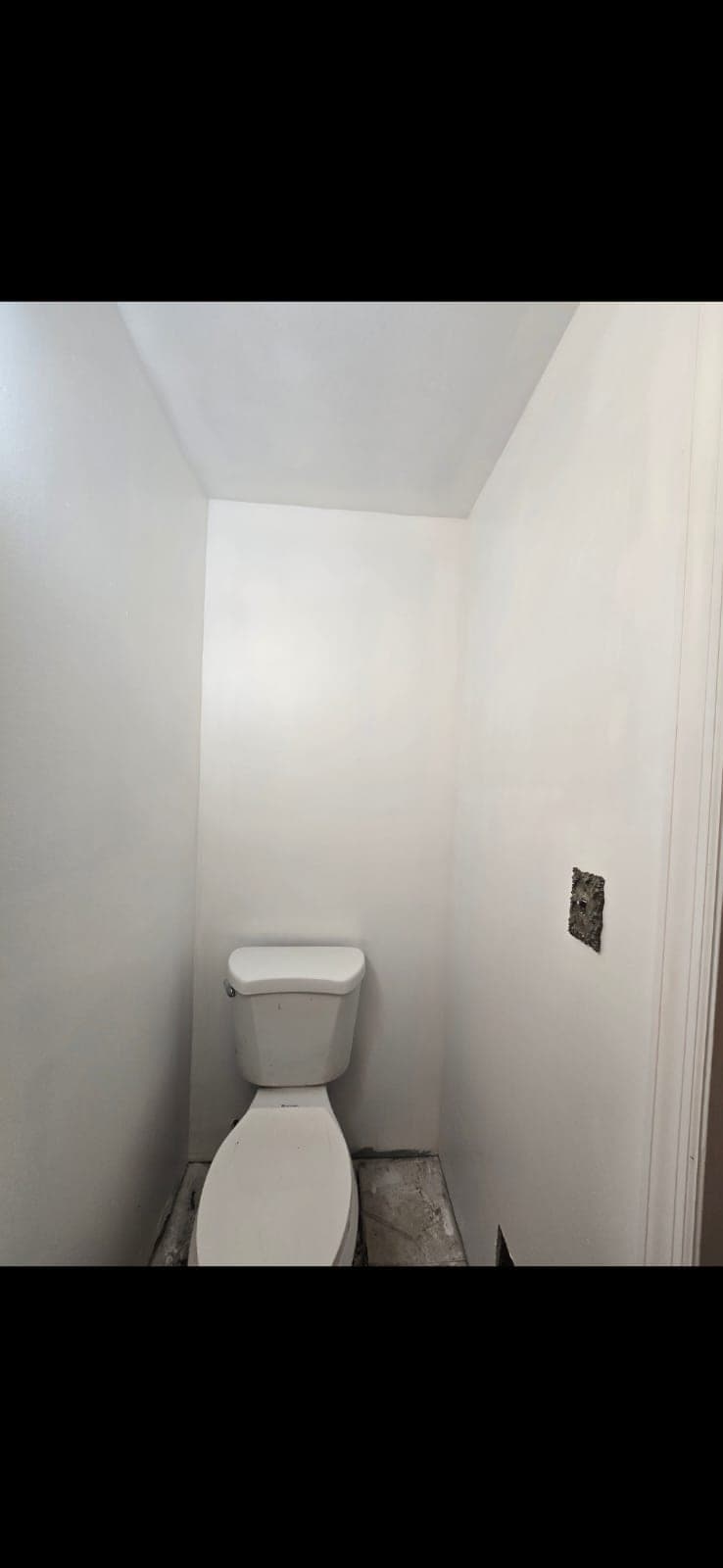
Nothing gets closed up until the readings on the wet materials match dry ones nearby. Then the same crew that dried the house puts it back together: drywall, trim, and paint. We walk the finished work with you before we close the job.
Carpet, rug, upholstery & air duct work
How a cleaning visit runs.
- 01
Walk-through first
We look at the rooms, the fiber types, and the problem spots first. If a stain is permanent, or old pet damage has soaked into the pad, you hear that before we start.
- 02
Scope in writing
You see what the visit covers and approve it before any equipment comes off the van. Nothing gets added at the door, and nothing turns up later as a surprise.
- 03
The cleaning itself
We use eco-friendly products that are safe around kids and pets, match the method to the material, and cover the floors and furniture that need protecting while we work.
- 04
Final walk-through & aftercare
We go through the finished rooms with you and tell you how long the carpet needs to dry. If something didn't fully come out, you hear why from us before we leave.
What we don't do
What we won't do on a job.
No scare tactics
We answer mold health questions the way the EPA does. If what we find is small, we tell you it's small, and we show you the readings and photos we based that on.
No surprise add-ons
The scope is written before work starts. If something unexpected turns up mid-job, we stop, show you what we found, and agree on the change before we do it.
No invented numbers
We don't advertise a response time in minutes. What we promise is same-day emergency response, and the arrival window you get on the phone is based on where you are and what's already on the schedule.
No waived deductibles
Offering to "eat" a deductible misrepresents the claim and can put you at risk, so we don't do it. We will tell you when the damage is small enough that filing doesn't make sense.
No calling it dry early
Equipment stays until the readings hit dry standard, not until a set number of days has passed. The daily log of those readings goes home with you.
No tests you don't need
If you can already see the mold, a lab test usually doesn't change how it gets fixed. When sampling is worth paying for, we explain why before you spend the money.
Who's showing up
Local and independent since 2019.
We're a small local company, and the same crew handles your job from the first inspection through the rebuild. More about us →
- IICRC Certified
- Licensed
- Bonded
- Insured
- Eco-Conscious Products
FAQ
Questions about the process.
How fast can you get here in an emergency?
Same day, usually within hours. When you call, a person answers, asks what happened, and gives you an arrival window based on where you are and what's already on the schedule. The truck comes loaded for extraction and drying, so work starts as soon as we're in the door.
How long does it take to dry out a house?
Three to five days for most homes. It depends on what got wet, since drywall and carpet dry faster than hardwood, plaster, or subfloor, and on how long the water sat first. We take moisture readings daily and keep equipment running until the wet materials match dry ones nearby, not until the surface feels dry. Pulling equipment early leaves moisture inside the wall.
Should I wait for the adjuster before you start work?
No, and your policy almost certainly agrees. Insurers require you to take reasonable steps to prevent further damage, so extraction and drying should start promptly instead of several days later, once materials have soaked through and mold has had time to start. We photograph and document everything before and during mitigation, so the adjuster sees what condition the property was in.
Do you bill my insurance company directly?
Yes. On covered losses we bill your insurer directly, so you're not writing a large check and waiting for reimbursement. You pay your deductible and we settle the rest with the carrier, backed by the photos, moisture readings, and daily drying logs adjusters ask for. You don't need a claim to hire us, though. A lot of our residential work is paid directly by the homeowner.
What is containment and why does it matter?
Containment keeps a mold problem in one room. Disturbing moldy material sends spores airborne, so before any demolition we seal the work area with plastic sheeting, cover HVAC vents, and run HEPA-filtered machines that hold the space under negative pressure, meaning air flows in and not out. Without it, cutting out moldy drywall spreads spores through the rest of the house.
How long until my carpets and furniture are dry after cleaning?
Four to eight hours for carpet; upholstery is similar, sometimes longer for thick cushions. Fiber type, humidity, and airflow all play a role, and running ceiling fans or the HVAC fan speeds things up. We do extra extraction passes to pull out as much moisture as possible. Walking on damp carpet in clean socks is fine, but keep shoes, pets, and heavy furniture off until it's fully dry.
Start at step one
If water is on the floor, skip the reading and call.
For anything that can wait a few hours, like an estimate, a musty smell, or a cleaning you've been putting off, the form works too, and we call back the same day.
Same-Day Emergency Response. Closed Saturdays for Shabbat. Office hours: Mon–Fri 8am–6pm · Sun 8am–6pm · Closed Saturdays.